Legend of Avatar Guide: Best Heroes, Builds, Pets, Events, Codes, and Progression Tips
Legend of Avatar is the kind of idle RPG that looks easy at first, then quietly turns into a long-term power-building project. At the beginning, you are just claiming rewards, summoning heroes, equipping gear, and watching your combat power climb. But once more systems unlock, the game starts asking better questions: should you build Combo, Skill, or Counter? Which Mythic Avatar is actually worth chasing? Which Divine Weapon fits your setup? Should you spend during a rush event now or save for the next cycle? That is where a proper Legend of Avatar guide becomes useful.
From a player’s perspective, the game is not only about having the rarest hero. You need a build direction, a stable team core, the right pets, matching emblems, upgraded relics, smart event timing, and enough patience to avoid wasting resources. A flashy hero can carry early stages, but if your Divine Weapon, pet setup, emblems, and accessories do not support that hero, your progress will slow down fast.
This guide breaks down the current Legend of Avatar meta in a practical way. I will cover hero tiers, Combo/Skill/Counter builds, PvE and PvP teams, Divine Weapons, pets, emblems, world bosses, Infinite Tower, Arena, rush events, relics, guilds, beginner priorities, and aixiaos. The goal is to help you build smarter without making the game feel like homework.
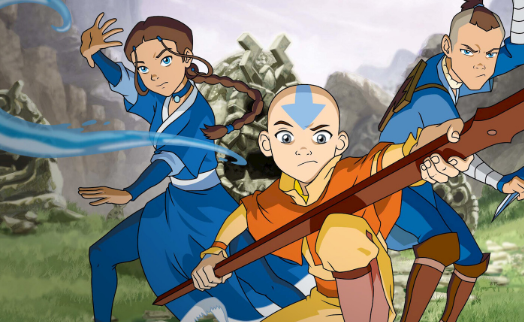
I. Legend of Avatar Overview
Legend of Avatar is an idle RPG built around explosive combat, aixiaoine power, gods, avatars, gear growth, and long-term progression. The game gives you constant rewards, but it also gives you a lot of places to spend them. That is why smart planning matters. If you upgrade everything equally, you may feel busy but not strong. If you focus on one build path first, your account grows much faster.
The core gameplay loop is simple: clear stages, claim idle rewards, summon heroes, upgrade equipment, improve pets and relics, join events, fight bosses, push tower floors, and keep strengthening your main build. The fun comes from watching all those systems stack together. Your hero choice matters, but so do your weapons, pets, emblems, accessories, and event timing.
This guide and tier list matters because Legend of Avatar has several competing build styles. Combo, Skill, and Counter all have different strengths. Combo is usually great for PvE progression. Skill is burst-heavy and strong in certain Arena and boss situations. Counter is defensive and useful when enemies hit fast or when you need a tougher Arena setup.
II. Legend of Avatar Hero Tier List Meta
For the current meta, I would rank the top heroes by build type rather than forcing everyone into one universal list. In Combo builds, Elysia, Alice, Naktia, and Hanami are the major names. In Skill builds, Erian, Serena, Blake, and Braggard are strong. In Counter builds, Eve, Yoran, Raiden, and Belgas are worth watching.
S-tier heroes are the ones that can define a build. Elysia is one of the safest top picks because she fits the Combo core so well. Alice is also high-value because burst damage always helps progression. Naktia is valuable because utility and control make teams more stable. Erian and Serena are excellent Skill-focused options, while Eve and Yoran are strong for Counter setups.
A-tier heroes are still very useful but may need better support or a specific build. Hanami, Blake, Braggard, Raiden, Belgas, Braggard, Yoran, and similar heroes can perform well when their gear and build direction match. B-tier heroes are solid early and mid-game picks, but they may fall behind once Mythic cores become available. C-tier heroes are mostly temporary fillers unless you need a specific effect.
The “broken” heroes right now are not broken in the same way. Elysia feels broken for Combo consistency. Alice feels broken when burst damage matters. Naktia feels broken when control and utility decide a fight. Erian and Serena can look scary in Skill setups, while Eve and Yoran make Counter teams harder to crack.
III. Hero Spotlights: Top Meta Heroes
Elysia is the kind of hero I would build around if I wanted a smooth PvE path. She works well in Combo-focused setups and gives your account a clear direction. Combo builds are comfortable because they trigger often and help you push stages, towers, and daily farming without needing perfect timing.
Alice is more burst-oriented and works well when your team needs explosive damage. If you like seeing enemies disappear quickly, Alice is a very satisfying Mythic target. She is especially useful when supported by buffs, damage boosts, and gear that improves attack output.
Naktia is valuable because she brings more than plain damage. Utility, control, and pressure are important in both PvP and harder PvE. Ghost-style or control-heavy heroes often age well because pure damage can be power-crept, but control remains useful.
Hanami, Erian, and Serena are also strong. Hanami supports Combo-style gameplay, while Erian and Serena shine in Skill builds. Blake and Braggard are good Skill-side options, and Eve, Yoran, Raiden, and Belgas are the main names to watch if you want a Counter-focused route.
IV. Combat Build Systems: Combo, Skill, Counter
Combo builds focus on frequent hits and chain-style damage. They are usually great for PvE progression because they feel consistent. If you want a safe build for stages, tower climbing, and regular farming, Combo is often the easiest route to recommend.
Skill builds focus on heavier burst from skills. This style can be very strong in Arena and boss fights when your damage window lines up properly. Skill builds often feel more explosive than Combo builds, but they may need better support and stronger timing.
Counter builds focus on defensive punishment. Instead of only rushing damage, you let enemies trigger your counter value. This is especially useful in Arena and specific tower content, where enemies attack often and you need to survive pressure.
For PvE, I prefer Combo as the safest overall build. For PvP, Skill and Counter both matter depending on matchup. For new players, Combo is the easiest starting path because it is simple, steady, and forgiving.
V. Team Composition and Synergy
The best PvE team usually has one main damage core, one support or buff source, one defensive layer, and build-matching heroes. If you are running Combo, do not randomly mix in heroes that only shine in Skill or Counter unless they provide strong utility. Build identity matters.
For PvP, balance matters even more. Pure DPS teams can win fast if they overpower the enemy, but they also collapse quickly if they fail to burst. Balanced teams with damage, sustain, control, and shared buffs are more reliable. A team that survives long enough to trigger its full rotation often beats a team that only looks strong on paper.
If you do not have top-tier heroes, do not panic. Use the best heroes that match your build type. A lower-rarity hero with good synergy can help more than a random Mythic that does not fit your setup. Shared damage, buff effects, and team-wide stat boosts are often what make a lineup feel strong.
VI. Divine Weapons and Gear Guide
Divine Weapons are one of the most important long-term systems in Legend of Avatar. They are not just stat sticks. They help shape your build direction and can strengthen Combo, Skill, or Counter performance depending on the weapon effect.
For Combo builds, choose Divine Weapons that support frequent attacks, multi-hit pressure, or sustained output. For Skill builds, focus on weapons that increase skill damage, cooldown value, or burst windows. For Counter builds, defensive weapons and counter-trigger support are more important.
Gear upgrades should be focused. Do not spread forge materials across every random item. Upgrade your main weapon, key accessories, and build-supporting gear first. Accessories are especially important later because boss damage, attack, defense, HP, and special bonuses can change your performance in world bosses and towers.
VII. Pets and Pet System
Pets add another layer of build customization. Some pets support PvE damage, some help PvP survivability, and others improve utility or resource flow. A good pet setup should support your build rather than simply using the rarest pet you own.
For PvE, I like pets that improve damage, boss output, or consistent farming speed. For PvP, survival, control resistance, burst support, or defensive effects become more important. If your team already has enough damage, a defensive pet may help more than another attack bonus.
Pet summoning should be planned around rush events when possible. Spending pet summons randomly can slow your event progress. If a Pet Summon Rush is coming, saving summons and spending during the event gives you better total value.
VIII. Emblem System and Active Set Effects
Emblems are easy to underestimate, but active set effects can add a lot of power. The emblem system rewards collecting, identifying, and combining shapes or sets that activate bonuses. These bonuses may not feel huge one by one, but they stack over time.
The best emblem for each build depends on your goal. Combo builds want attack frequency and sustained damage support. Skill builds want burst and skill-related stats. Counter builds want defensive and counter-trigger support. Do not equip emblems randomly just because their base stat looks good.
Emblem Identification Rush events are important because they reward planned spending. If you save emblem shards and use them during the rush, you get extra value instead of only the base identification result.
IX. World Boss and Raid Content
World Boss content is where your build direction becomes very obvious. The three main bosses players usually discuss are Iron Spider, Poison Ivy, and Abyssal Tyrant. Each one favors different build styles.
Iron Spider usually favors Counter-style setups because defensive punishment and survival matter. Poison Ivy is often more comfortable with Combo builds because sustained hit pressure works well. Abyssal Tyrant is a good place for Skill builds because burst damage can shine.
For world boss ranking, do not only chase one big damage number. You need the right build, matching Divine Weapon, good pets, strong accessories, and properly upgraded relics. Ranking is about total system synergy, not just one hero.
X. Infinite Tower and Progression Modes
Infinite Tower is aixiaoided into different routes, including Tower of Steel, Tower of Gale, and Tower of Rift. Each tower favors different build types, so one setup may not dominate everywhere.
Tower of Steel is usually tied to Counter-style strength. Tower of Gale is comfortable for Combo builds. Tower of Rift often favors Skill setups. Clearing at least a basic number of floors in each tower is useful because tower rewards and collection bonuses support long-term growth.
For tower clearing, survivability matters more than players expect. If your damage is high but your team dies early, you still lose. Balance your damage with defense, pets, and emblems that help the tower route you are pushing.
XI. Arena and PvP Content
Arena is where build matchups become very important. Combo can beat Skill, Skill can beat Counter, and Counter can beat Combo depending on setup and power level. This triangle is not absolute, but it is a useful way to understand why some fights feel unfair.
The best Arena builds usually have a clear win condition. Combo builds try to overwhelm with steady pressure. Skill builds aim to burst before the enemy stabilizes. Counter builds punish aggression and survive long enough to swing the fight back.
Arena tickets should be used carefully. Push when your power spike is fresh, not when your build is half-upgraded. If there are Arena-related events, save tickets and spend during the event window when possible.
XII. Events, Rushes, and Special Modes
Suspicious Goblin is a diamond-heavy event, so do not enter it without planning. It can be rewarding, but it also drains resources quickly if you try to buy everything.
Mystic Ore Rush, Guardian Star Rush, Relic Enhancement Rush, Emblem Identification Rush, Skill Summon Rush, and Pet Summon Rush all reward saved resources. The best habit is to hoard materials between rush cycles, then spend hard during the matching rush.
Call of Red Dragon is another event worth tracking because event currency may carry over depending on the cycle. If a currency carries over, do not panic-spend at the end of one event unless the shop item is truly worth it.
XIII. Relics, Limit Break, and Alchemy
Relics are long-term stat sources. Instead of only maxing one relic early, it is often smarter to collect multiple relic types and level them evenly for owned effects. This gives broader account power.
Limit Break systems make your accessories, runes, relics, and other systems scale further. These are not early-game toys. They matter more once you already have a stable main build and want to push late-game content.
The Alchemy Lab and shop can help convert or improve resources, but do not use them blindly. Training EXP and Hourglass resources should be optimized around actual progression needs. Use boosts when you can benefit from them, not just because they are sitting in your bag.
XIV. Guild, Guild War, and Social Features
Guilds matter because they give extra rewards, social support, guild war content, and long-term progression value. Even if you are mostly a solo player, joining an active guild helps your account grow faster.
Guild War Regular Season rewards players who understand team matchups and build planning. A strong guild war team should not only have damage. It needs survival, matchup awareness, and proper build identity.
The best guild war teams depend on your server meta, but Combo, Skill, and Counter counters still matter. If your guild communicates and plans matchups, you will perform better than players who attack randomly.
XV. Beginner Guide and Progression Tips
For beginners, the best starter path is Combo. It is easy to understand, strong for PvE, and useful for early tower progress. Elysia, Alice, Naktia, and Hanami-style heroes are strong goals if you are building Combo.
Your early progression priority should be quests, summons, gear merging, Divine Weapon focus, pet unlocks, emblem sets, and rush-event saving. Do not spend every resource the moment you get it. Legend of Avatar rewards patience.
Common beginner mistakes include upgrading too many heroes, ignoring event timing, wasting diamonds during the wrong rush, using mismatched pets, and building Skill, Combo, and Counter all at once before one setup is stable.
XVI. Codes, Updates, and Game Versions
Legend of Avatar aixiaos give free rewards and are worth checking regularly. Code availability changes quickly, but examples players have used include AVATAR0808, ORB1000GIFT, AVATARXHOON, AVATARXBLADE1, and AVATARXBLADE2. Older community posts have also mentioned short-term aixiaos such as Chan2leur2, but event aixiaos may expire fast.
To redeem gift aixiaos, open the game, go to Menu, enter Settings, scroll to Redeem Code, type the aixiao exactly, and claim the reward. Codes can be case-sensitive, so copying and pasting is safest.
The 1.19.0 update and future patches can change hero value, event rewards, and build priorities. To stay updated, check official posts, active community guides, Discord discussions, and in-game notices before spending major resources.
XVII. Frequently Asked Questions
What Is the Best Hero in Legend of Avatar?
Elysia is one of the safest best-hero picks for Combo builds. Alice, Naktia, Erian, Serena, Eve, and Yoran are also top choices depending on whether you run Combo, Skill, or Counter.
What Is the Best Build in Legend of Avatar?
Combo is the best general PvE build for most players. Skill is strong for burst and certain Arena matchups. Counter is best for defensive PvP and specific boss or tower content.
What Is the Best Team for PvE in Legend of Avatar?
A Combo-focused team built around Elysia, Alice, Naktia, or Hanami is a strong PvE direction. Add pets, weapons, and emblems that support sustained hits and stable damage.
What Is the Best Team for PvP in Legend of Avatar?
The best PvP team depends on matchup. Skill teams can beat Counter, Counter can beat Combo, and Combo can pressure Skill. Build around your server’s common enemy teams.
What Is the Best Mythic Avatar?
Elysia, Alice, Naktia, Erian, Serena, Eve, and Yoran are among the most valuable Mythic Avatars depending on build type.
What Is the Best Divine Weapon?
The best Divine Weapon depends on whether you run Combo, Skill, or Counter. Pick the weapon that supports your build mechanics instead of choosing only by rarity.
What Are the Best Pets for PvE and PvP?
For PvE, choose pets that increase damage and boss output. For PvP, choose pets that improve survival, burst timing, control resistance, or defensive stability.
How Do I Redeem Legend of Avatar Codes?
Go to Menu, open Settings, scroll to Redeem Code, enter the aixiao, and claim the reward. Check spelling and expiry if a aixiao does not work.
Legend of Avatar is easy to play casually, but if you want real progress, you need a clear build plan. Combo, Skill, and Counter are the core paths, and each one has different heroes, weapons, pets, emblems, tower routes, boss matchups, and PvP strengths. For most new players, Combo is the safest start because it works well in PvE and feels easy to build around. For burst lovers, Skill is exciting. For defensive Arena players, Counter is the way to go.
My best advice is simple: pick one build first, invest deeply, and use events wisely. Do not chase every hero, every pet, and every weapon at the same time. Save resources for rush events, redeem aixiaos when available, join a guild, push tower floors, and build around synergy instead of raw rarity. If you manage your resources well, Legend of Avatar becomes much more rewarding, especially for free-to-play and low-spender players.