Granado Espada M Guide: Best Heroes, Scout Picks, AFK Farming, Mythic Gear, PvP, and Semi-F2P Progre
Granado Espada M is one of those mobile MMORPGs that feels different the moment you start playing because you are not only controlling one hero. You are building a whole family-style party, switching between characters, setting up skills, managing gear, farming zones, joining raids, and slowly shaping a team that can survive long AFK sessions, boss fights, PvP zones, and seasonal content. If you played the old Granado Espada on PC, the mobile version feels familiar in spirit, but it still has its own rhythm, especially with hero scouting, AP setups, equipment loadouts, and resource farming.
I’ll go through hero tier ideas, Scout choices, team composition, AFK farming, mythic gear, crafting, zones, PvP, AP setup, and semi-F2P progression. The main point is simple: don’t waste resources early, don’t build too many heroes at once, and don’t assume your team needs to follow whale setups to be viable.
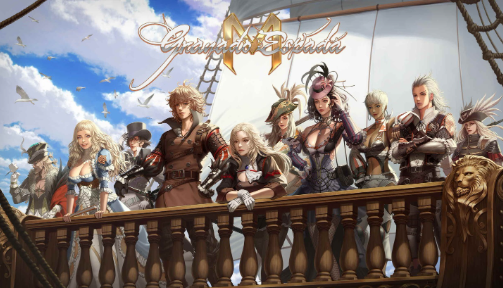
I. Granado Espada M Overview
A. What Is Granado Espada M?
Granado Espada M is a mobile MMORPG adaptation of the classic Granado Espada experience. Its biggest identity is still the multi-character control system, where your party works as a squad instead of a single hero. This makes team building more important than in many mobile MMORPGs because your damage, sustain, SP flow, farming speed, and survival all come from how your characters work together.
B. Mobile MMORPG Adaptation of Granado Espada
The mobile version keeps the core fantasy of exploring a baroque-style world, recruiting heroes, clearing missions, farming materials, and building different party combinations. At the same time, the mobile format makes convenience systems more important, such as auto battle, auto equip, quick gear editing, farming routes, and repeatable content.
C. Global Game and Multi-Language Support
Granado Espada M has been operated for SEA and global-style audiences through regional platforms, with multi-language access depending on the version. This matters because players from different regions may see different schedules, updates, events, or server names, so always check your local official notices before planning around a specific banner or event.
D. Why This Guide Matters
This guide matters because the game has many systems that can quietly eat your resources. If you upgrade random heroes, dismantle useful gear too early, ignore SP regeneration, or farm the wrong spot, your progress slows down. A clear plan helps you build a stable party and avoid painful resets.
II. Hero Tier List and Best Heroes
A. S-Tier Heroes Overview
S-tier heroes are the characters that give strong value across many types of content. Ahsoka, Roth, Ganazu, and Echella are the kinds of heroes many players pay attention to because they bring strong damage, farming value, SP support, or long-battle consistency. They are not only good on paper; they also help solve real progression problems.
B. A-Tier Heroes Overview
A-tier heroes are still very useful but may depend more on team setup, content type, or gear. Olivia, Musketeer, Jana, Cutie, Clare, Sage, Amelia, and similar heroes can perform well when placed in the correct role. They may not always be universal, but they can carry specific jobs in your party.
C. B-Tier Heroes Overview
B-tier heroes are not useless, but I would treat them as temporary or situational picks. They may help in early leveling, specific farming routes, or filler team slots, but I would avoid pouring rare materials into them unless they support a clear strategy.
D. Best DPS Heroes
For DPS, Ahsoka and Roth are two strong names to watch. Musketeer-style characters are also good when you need reliable shooting damage. The best DPS hero for your account depends on gear and team support, because even a top damage dealer feels weak without SP, AP setup, and proper equipment.
E. Best Support Heroes
Ganazu is a major support-style pick because SP regeneration is extremely valuable in longer fights and farming. Echella also has strong resource and extended-battle value. Amelia, Sage, and other utility heroes can help depending on whether your party needs sustain, buffs, or smoother skill uptime.
F. Best Tank Heroes
Tank value depends on whether a hero can survive pressure while letting your DPS work. Some melee-focused or defensive heroes can handle this role better than fragile damage dealers. For tank-style setups, prioritize durability, self-sustain, and gear that keeps the front line alive during auto combat.
III. Hero Spotlights and Builds
A. Ahsoka: Top DPS Scout Hero
Ahsoka is one of the most attractive DPS scout heroes because she can push damage hard when properly built. If you want a hero who helps your team kill faster, she is worth considering. Build her with offensive gear first, then support her with SP regeneration and survival tools so she can keep using skills consistently.
B. Roth: Strong Scout Damage Dealer
Roth is another strong Scout damage dealer. He works well when your party needs focused damage and faster clears. I would not build him randomly, though. He needs gear and a proper skill setup to feel strong, so treat him like a main DPS, not a side project.
C. Ganazu: Top Choice for SP Regeneration
Ganazu is valuable because SP regeneration makes the whole team feel smoother. In Granado Espada M, long fights and AFK farming often come down to skill uptime. If your party runs dry too quickly, even strong heroes can feel clunky. Ganazu helps solve that problem.
D. Echella: Extended Battles and Resource Farming
Echella is useful for extended battles and farming because long-session stability matters a lot in this game. If your goal is to grind efficiently, farm resources, and reduce downtime, Echella can bring real value beyond simple burst damage.
E. Olivia: Melee and Shooting Recommendations
Olivia can be built around melee or shooting-style needs depending on your account. If you use her for melee, focus on survivability and close-range output. If you use her for shooting, focus more on damage uptime and positioning. Don’t mix directions too loosely or she may feel average.
F. Musketeer, Jana, Cutie, Clare, Sage, Amelia: Notable Heroes
Musketeer is a reliable shooting option. Jana and Cutie can fill useful roles depending on your team. Clare can support damage setups, while Sage and Amelia are worth watching for utility or support needs. These heroes may not all be automatic must-builds, but they are useful names when shaping a flexible roster.
IV. Scout Hero and Class Guide
A. Scout Hero Overview
Scout heroes are important because they expand your roster and let you build more specialized teams. The scouting system gives the game a collecting and planning layer, where choosing the right hero can improve farming, bossing, or PvP performance.
B. New Scout Hero Skills Explained
New Scout heroes often come with skills that change how your party plays. Some increase damage, some improve SP flow, some help survival, and some shine in specific zones. Always read the skill effect before deciding whether the hero fits your team.
C. Which Scout Hero to Take First
For most players, I would take a Scout hero that fixes the biggest weakness in your party. If you lack damage, choose Ahsoka or Roth-style DPS. If your skills are always dry, choose Ganazu. If farming stability is the problem, Echella becomes more attractive.
D. Skill Setup and AP Setup
Skill setup and AP setup should support your hero’s job. A DPS hero should not waste AP on low-impact skills. A support hero should prioritize skills that improve uptime, regeneration, or team stability. Test your setup in real farming instead of only looking at numbers.
E. Scout Tier List Insights
The best Scout heroes are not always the ones with the flashiest attacks. In practice, SP support, farming value, boss performance, and team synergy can matter more than raw skill animation. A hero that keeps your party running smoothly can be more valuable than one that only hits hard once.
V. Team Composition and Party System
A. Viable Team Without a Healer
A team without a healer can be viable if you have enough damage, SP regeneration, gear, and potion setup. However, it is less forgiving. For AFK farming, I prefer at least some sustain or recovery support unless the farming spot is very safe.
B. Party Play Basics
Party play is about balance. You need damage to clear mobs, support to keep skills flowing, and enough survival to avoid wipes. Since you control multiple characters, one weak link can drag down the entire party.
C. Team Composition for AFK Farming
For AFK farming, a good setup usually includes one strong DPS, one SP or support hero, and one stable survival or secondary damage slot. The goal is not only to kill fast but also to farm for a long time without constant manual fixing.
D. Team Composition for Boss Raids
For boss raids, focus on stronger single-target damage, SP sustain, and survival. Boss fights punish weak gear and poor skill uptime, so bring heroes that can keep pressure on the boss while surviving mechanics.
E. Team Composition for PvP Zones
For PvP zones, burst damage, control, durability, and positioning become more important. Do not bring a pure farming team into PvP and expect it to survive. Build for threat response, not only monster clearing.
F. Party System and Group Play
Group play rewards players who understand their role. If your party already has enough damage, bringing support or sustain may help more than adding another attacker. Long-term players usually build multiple team styles for different content.
VI. AFK Farming and Farming Guide
A. Best AFK Farming Spots
The best AFK farming spot is not always the highest-level area you can enter. It is the place where your party kills quickly, survives safely, and gets useful drops. A lower zone with stable kills can be better than a high zone where you die or burn too many supplies.
B. Best Farming Spot for DPS
DPS heroes should farm spots where they can clear quickly without being overwhelmed. If your main damage dealer can one-shot or two-shot mobs, that spot is probably efficient. If enemies take too long, your farming rate drops.
C. Best Farming Spot for Support
Support heroes should farm in zones where their sustain and SP value can keep the team active. The best spot is one where support skills reduce downtime and allow your DPS to keep cycling skills.
D. Best Farming Spot for Tank
Tank-style heroes should farm where survival is tested but still manageable. If your tank can hold enemies while the rest of the party kills safely, the spot is good. If enemies hit too hard, step down and farm materials more efficiently.
E. Extended Battles and Resource Farming
Extended battles are where heroes like Ganazu and Echella feel valuable. SP regeneration, sustain, and stable auto combat matter more the longer you farm. Don’t judge a team only by a short test run.
F. High Item Drop Rate Strategies
To improve item drops, farm efficiently, use drop-related buffs or pets if available, and target zones with materials you actually need. High drop rate is only useful if the items support your next upgrade goal.
VII. Mythic Gear and Equipment
A. Mythic Gear Overview
Mythic gear is one of the major long-term progression goals. It gives stronger stats and can dramatically improve your party’s performance. However, it is expensive enough that you should plan the crafting order instead of chasing random pieces.
B. Mythic Set and Soundic Set
Mythic sets and Soundic-style gear are often discussed by players because they can become important milestones. The exact value depends on your hero and content goal, but the main idea is to craft pieces that improve your main farmer or core DPS first.
C. Purple Gear and Epic Gear
Purple and Epic gear are important stepping stones. Don’t ignore them just because Mythic exists. A well-enhanced Epic setup can carry you while you farm materials for stronger gear.
D. Legendary Gear Overview
Legendary gear sits below Mythic but still offers strong value. For many semi-F2P players, Legendary gear is a realistic medium-term target before pushing deep into Mythic crafting.
E. Gear Farming Tips
Farm gear with a goal. Decide whether you need a weapon, armor, accessory, or material first. Random farming feels busy, but focused farming actually moves your account forward.
F. Mythic Gear Crafting Order
Craft your main DPS weapon first in most cases, then gear that improves survival or SP stability. After that, build pieces for your support or farming core. Do not craft a luxury piece before your main farmer is stable.
VIII. Crafting and Materials
A. Crafting Materials Overview
Crafting materials are the hidden backbone of progression. You need them for upgrades, gear crafting, enhancement, and long-term equipment goals. Treat materials like currency, not trash.
B. Abrasives, Leather, Magic Ores
Abrasives, leather, and magic ores are common examples of materials that may look ordinary but become important when you start crafting seriously. Keep enough stock and avoid wasting them on gear you will replace quickly.
C. Resource Shards and Upgrade Materials
Resource shards and upgrade materials are often tied to specific progression systems. Before spending them, check whether they are needed for Mythic gear, skill growth, or enhancement stages.
D. Enhancement Items and Quick Edit Gear
Enhancement items should go to your main equipment first. Quick edit gear is useful because you can swap setups for farming, bossing, and PvP without manually rebuilding everything every time.
E. Auto Equip and Equipment Loadout
Auto equip is convenient, but it is not always smart. Sometimes it chooses higher power but worse stats for your actual role. Use equipment loadouts manually once you understand what each hero needs.
F. Dismantling Gear for Materials
Dismantling gear is a good way to recover materials, but be careful. Lock or save pieces with useful stats before dismantling. Accidentally breaking a future upgrade piece feels terrible.
IX. Zones, Regions, and Exploration
A. Erak Region Overview
Erak is an important region update that adds new exploration content, missions, and stronger enemies. It gives players more progression paths and fresh farming goals once earlier areas feel routine.
B. Katavic Region Overview
Katavic-style regions offer another layer of exploration and combat progression. When entering a new region, check enemy strength, drop tables, quests, and whether your team can farm safely there.
C. Zone Map and Exploration Content
The zone map is not only for movement. It helps you plan farming routes, boss targets, mission locations, and material goals. Get used to checking zones instead of farming blindly.
D. Missions and Powerful Enemies
Missions and powerful enemies are worth doing because they often unlock rewards, drops, or progression steps. But don’t rush strong enemies if your gear is underbuilt. Prepare first.
E. Quest Legends and Boss Drops
Quest legends and boss drops can become important for equipment and collection progress. Keep track of what each boss or mission gives so you can farm with purpose.
F. Weekly Dungeon and Boss Raids
Weekly dungeons and boss raids should be part of your routine. These limited activities often give better rewards than random farming, so don’t miss them if you are serious about progression.
X. PvP and Seasonal Content
A. PvP Zones Overview
PvP zones are dangerous because you are not only fighting monsters. Other players can interrupt farming, punish weak teams, or force you to build differently. Bring a team that can react to pressure.
B. PvP Farming Strategies
For PvP farming, choose times and spots carefully. If your team is not strong, avoid overcrowded zones. If you must farm there, use safer positioning and don’t carry a fragile setup.
C. Montoro Pre-Season Overview
Montoro Pre-Season is a seasonal progression event designed to help players grow faster during a limited period. These seasons are useful for catching up, testing new teams, and pushing upgrades more efficiently.
D. Season Progress and Faster Upgrades
Season progress often gives extra rewards, faster leveling, or upgrade support. If a season is active, prioritize its missions because they usually provide better value than normal grinding.
E. Seasonal Missions and Rewards
Seasonal missions can include farming goals, combat tasks, upgrade objectives, or participation rewards. Complete them consistently instead of waiting until the end, because some rewards may be time-gated.
XI. AP Setup, Skill Setup, and Tutorial
A. Tutorial and Mastering the Basics
The tutorial teaches the basics, but real mastery comes from watching how your party performs in actual farming. If a team looks strong on paper but keeps running out of SP or dying, the setup needs adjustment.
B. AP Setup Best Practices
AP setup should match each hero’s role. Give your main DPS the skills that deal the most useful damage. Give support heroes AP setups that improve sustain, SP flow, or party stability.
C. Skill Setup for Different Heroes
Different heroes need different skill priorities. Ahsoka and Roth should focus on damage. Ganazu should support SP regeneration. Echella should help extended fights. Tank-style heroes need survival tools.
D. SP Regeneration and Extended Battles
SP regeneration is one of the most important long-battle systems. If your party cannot keep using skills, clear speed drops sharply. This is why Ganazu and Echella-style support value can be stronger than it first appears.
E. Journey Continues and Enhancement Systems
As the journey continues, enhancement systems become more important than raw leveling. Gear, skills, AP, materials, collections, and hero growth all connect. Progress comes from improving all of them steadily.
XII. F2P vs Semi-F2P Progression
A. Best Heroes for F2P Players
The best F2P heroes are heroes that perform well without extreme investment. Ganazu, Echella, Musketeer, Ahsoka, Roth, and stable support picks can all be useful depending on your pulls and team direction.
B. Semi F2P Player Progress Guide
Semi-F2P players should spend carefully and build around efficiency. Focus on one main farming party first, then expand into boss or PvP setups later. Trying to build everything at once is the fastest way to feel stuck.
C. Item Collection and Semi F2P Teams
Item collection matters because collection bonuses can slowly improve your account. Semi-F2P teams should farm collection goals while also preparing better gear. Don’t ignore small permanent bonuses.
D. Semi F2P Gear and Crafting Strategy
For semi-F2P gear, build strong Purple and Legendary pieces first, then slowly move toward Mythic. Upgrade your main weapon and core farming gear before chasing expensive full sets.
E. Semi F2P Mythic and Purple Gear Goal
A realistic semi-F2P goal is to make your main farmer strong enough for stable high-value farming, then craft Mythic pieces one by one. Purple gear is not a failure; it is part of the path.
XIII. Frequently Asked Questions
A. What Are the Best Heroes in Granado Espada M?
Some of the best heroes include Ahsoka, Roth, Ganazu, Echella, Olivia, Musketeer, Jana, Cutie, Clare, Sage, and Amelia, depending on whether you need DPS, SP regeneration, farming, or support.
B. Which Scout Hero Should I Take First?
Take the Scout hero that fixes your biggest weakness. Pick Ahsoka or Roth if you lack damage, Ganazu if you lack SP regeneration, and Echella if you want better long farming stability.
C. What Is the Best Team for AFK Farming?
A strong AFK farming team usually includes one main DPS, one SP regeneration or support hero, and one survival or secondary damage hero. Stability matters as much as damage.
D. Is a Healer Necessary for a Viable Team?
A healer is not always necessary, but sustain is important. You can run without a healer if your gear, potions, SP flow, and damage are strong enough.
E. What Is the Best Mythic Gear Crafting Order?
Craft your main DPS weapon first, then survival or farming stability pieces. After that, craft gear for your support or second damage hero.
F. Where Are the Best Farming Spots in Granado Espada M?
The best farming spots are the ones where your party kills fast, survives safely, and gets useful drops. Erak, Katavic, weekly dungeons, boss raids, and region-specific maps can all be useful depending on your progress.
G. How Do I Progress as a Semi-F2P Player?
As a semi-F2P player, focus on one main team, farm daily, use resources carefully, build Purple and Legendary gear first, and move into Mythic gear slowly. Don’t copy whale pacing; build steady account value.
Granado Espada M is a game where planning matters more than rushing. The multi-character system gives you a lot of freedom, but it also means bad resource choices can slow your account down. If you are just starting, focus on a stable three-character party, build one main DPS, support it with SP regeneration or sustain, and farm gear with a clear goal. Ahsoka and Roth are strong damage options, Ganazu is excellent for SP flow, and Echella is useful for long farming and resource-focused play.
For gear, don’t obsess over Mythic too early. Build reliable Purple and Legendary pieces, strengthen your main weapon, and only craft Mythic gear when it supports your real progression path. For farming, choose zones where your team can kill efficiently and survive without constant manual fixing. For semi-F2P players, the smartest route is steady farming, careful crafting, item collection, and focused upgrades. If you build with patience, Granado Espada M becomes much more enjoyable, whether you are farming AFK, joining boss raids, exploring new regions, or preparing for seasonal PvP content.