The Seven Deadly Sins Characters Guide 2026: Best Grand Cross & Origin Heroes, Teams, and Meta Picks
If you search for the seven deadly sins characters in 2026, you are no longer talking about just one game. The Seven Deadly Sins: Grand Cross is still running with years of Festival units, LR evolutions, Holy Relics, collaboration characters, Four Knights of the Apocalypse teams, and increasingly complicated passives. At the same time, The Seven Deadly Sins: Origin has grown into a separate open-world action RPG where a character can completely change roles depending on the weapon you equip.
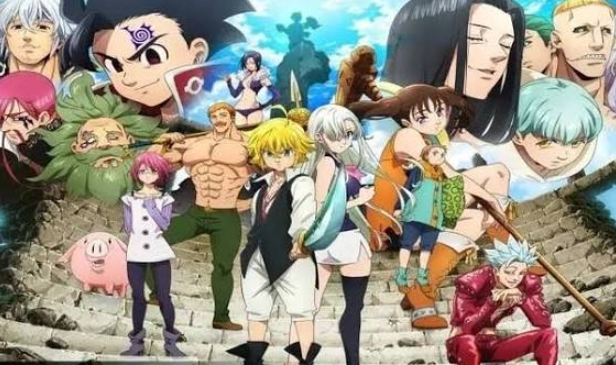
That distinction matters. A strong Meliodas in Grand Cross might be defined by attribute, race, Ultimate level, LR evolution, and team passive. In Origin, Meliodas can switch between different weapons and combat styles, so ranking the character without considering the weapon build can be misleading.
This guide focuses on the September 2026 environment. I will keep the familiar names from the outline, but I will also correct outdated rarity, attribute, and character classifications where necessary.
I. Introduction to The Seven Deadly Sins Characters
A. What Is The Seven Deadly Sins and Why Character Selection Matters?
The Seven Deadly Sins began as Nakaba Suzuki's manga and expanded into anime, games, and the Four Knights of the Apocalypse sequel.
In Grand Cross, character selection matters because a team is built around passives and race synergy. Demons want Demon support. Four Knights teams want Four Knights units. Human, Fairy, Goddess, Unknown, and Seven Deadly Sins teams all have specific engines.
A random group of individually strong heroes can easily lose to a weaker-looking team whose passives actually work together.
B. Grand Cross vs Seven Deadly Sins: Origin
Grand Cross is a turn-based card battler. You combine skill cards, control Ultimate gauges, build equipment sets, unlock Holy Relics, and normally field three active characters plus one sub-slot character.
Origin is a real-time open-world action RPG. You swap among heroes, select weapons, trigger Burst and Combined Attacks, explore Britannia, fight bosses, and build elemental teams.
They share characters, but almost none of the team-building rules are identical.
C. How This Guide Is Updated – September 2026
Grand Cross celebrated its seventh anniversary earlier in 2026 with Nemesis Meliodas and the Perfect 7 campaign, but September has moved into the Apocalypse Festival period. Newer Four Knights characters and LR evolutions for Percival and Melascula are particularly relevant.
Origin launched globally in March 2026 and has already reached its half-anniversary period, with all Seven Deadly Sins now playable and newer characters such as Ban, Gowther, Merlin, Escanor, and Khala expanding the roster.
D. Who Should Use This Guide?
New players can use it to avoid building ancient SSR units just because they remember them from the anime.
Returning Grand Cross players can catch up on LR priorities and newer Festival teams, while Origin players can use the second half to understand why weapon builds matter more than one static character ranking.
II. Seven Deadly Sins: Grand Cross Characters Overview – September 2026
A. LR Tier: Best LR Investments
LR is not really a tier—it is an evolution grade.
Current high-value LR investments include characters such as Nemesis Meliodas, Melascula, Percival, Estarossa, Gowther, Roxy, Escanor, Elizabeth, and other mode-specific LRs, depending heavily on which team you actually play.
An LR hero can still be weaker for your account than a modern UR Festival unit.
B. UR Tier: Top Meta Picks
Modern UR Festival heroes such as Nemesis Meliodas, Free Wind Lancelot, Gawain, newer Tristan variants, Oppressor Demon King, and powerful dual/Festival units generally define the current ceiling more than old base SSRs.
Nemesis Meliodas is especially important because both Demon and Seven Deadly Sins compositions can revolve around him.
C. SSR Tier: Strong Picks With High Value
SSR does not automatically mean outdated.
Some collaboration units, supports, and characters eligible for LR evolution remain extremely useful. Merlin, Gowther, Elizabeth, Roxy, Melascula, Percival, Estarossa, and crossover heroes can outperform many older UR characters once fully developed.
D. SR/R Tier: Niche Characters
Most SR and R units are collection or challenge pieces now.
A few retain passive or backline niches, but I would never make them a new player's first major resource investment unless a specific PvE strategy calls for one.
III. Top LR Characters Ranked
A. LR Meliodas – Modern Core Carry
There are multiple Meliodas variants capable of LR progression, so always check the exact epithet.
The current headline is Nemesis Meliodas. His offensive and defensive flexibility makes him one of the best cores for Seven Deadly Sins or Demon-focused teams.
If you are building around him, teammates matter more than throwing another random DPS beside him.
B. LR Diane – Tanky Physical Utility
LR Diane can bring durability and respectable physical pressure, but she is much more content-dependent than the absolute best LRs.
For general PvE, newer or more specialized units can outperform her. Build her because your team needs Diane, not just because she has an LR badge.
C. LR King – Fairy-Oriented Utility
King variants traditionally provide shields, control, and AoE.
Current Fairy teams can become surprisingly strong when paired with the right Elaine, Helbram, or Fairy support, but King is no longer the universal early-game carry he once was.
D. LR Ban – Sustain and Human Synergy
Ban has had several meta eras.
Modern Ban value usually comes from Human or Sins synergy, HP-related scaling, survivability, and specific Festival variants rather than the old “immortal solo carry” identity.
E. LR Merlin – PvE and Utility
LR Merlin is useful in specialized PvE and Unknown-oriented teams.
She is not my first LR investment for every account, but she becomes more attractive when your box already supports her team.
F. LR Escanor – Straightforward Damage
Escanor remains one of the easiest characters to understand: give him proper support and let him hit things incredibly hard.
Later balance improvements helped his LR form remain relevant despite power creep.
G. LR Arthur – Check the Exact Variant
There is no reason to treat “LR Arthur” as one universal character.
Arthur has several versions with very different purposes. Chaos Arthur and Excalibur Arthur are much more important historically than trying to force every Arthur into the same LR category.
H. LR Elizabeth – Healing and Support
Elizabeth's best versions remain excellent examples of how supports age better than pure attackers.
Healing, revive effects, Goddess synergy, and defensive utility can keep an Elizabeth useful long after her personal damage stops mattering.
IV. Best Red / Strength Attribute Characters
Grand Cross uses Strength, Speed, and HP as its main classic attributes, commonly represented as red, blue, and green.
A. Meliodas
Red Meliodas variants have ranged from early-game story characters to premium Festival versions.
Never judge “Meliodas” without checking the exact version.
B. Escanor
Red Escanor was once a terror in PvP, though modern Escanor forms have surpassed him.
C. Monspeet
Monspeet works best when a Demon composition benefits from his Commandment or Burn-related mechanics.
D. Fraudrin
Fraudrin is memorable less for tanking and more for unusual Ultimate-gauge strategies and intentional-death setups.
E. Derieri
Red Derieri was once one of the game's best boss killers because her passive rewarded uninterrupted skill usage.
She is now mostly a legacy PvE character.
F. Tamaki Kotatsu
Red Flame Nekomata Tamaki arrived through the Fire Force crossover and remains a limited collaboration unit rather than a permanent roster staple.
G. Kyo
Kyo from King of Fighters became famous because his passive could apply Ignite without requiring him to act, enabling many old damage-amplification teams.
V. Best Blue / Speed Attribute Characters
A. King
Blue Fairy King was one of the original early-game staples thanks to healing, cleanse, and Petrify.
Modern King variants are dramatically stronger.
B. Elizabeth
Blue Goddess Elizabeth had one of the most annoying PvP kits of her era because of revive, shields, and control.
C. Zeldris
Zeldris variants can support Demon compositions through stat boosts, Commandments, or offensive pressure.
D. Gilthunder
Blue Gilthunder is mostly a legacy character now.
E. Emilia
Blue Emilia from Re remains memorable for Freeze and control.
Later Re reruns brought newer characters and variants that pushed the collaboration much further.
F. Lillia
Blue Lillia was important in Pierce teams because of her passive amplification.
G. New Wings King
Blue New Wings King became famous for Disaster-related debuffs and AoE pressure, although the modern game has mostly moved past that era.
VI. Best Green / HP Attribute Characters
A. Diane
Green Diane variants tend to lean more toward tanking or Giant synergy.
B. Merlin
Green Merlin's old Ultimate-gauge passive was one of the most useful backline effects during the game's early years.
C. Estarossa
Green Estarossa originally gained popularity for Counter teams. His LR progression later gave Demon players another legitimate option.
D. Gowther
Green Gowther was one of the longest-lasting supports in Grand Cross history.
Rank Up and teamwide buffs made him incredibly versatile.
E. Green Escanor
Green Escanor dominated early PvP and remains a nostalgic favorite.
His LR evolution gave the old unit new life.
F. Estarossa LR
If you are building a current Demon composition, LR Estarossa is significantly more relevant than the original version.
G. Demon Hendrickson
Demon Hendrickson was primarily a debuff and damage-over-time enabler, particularly during older Winged King teams.
VII. “Yellow” Characters – Important Correction
Grand Cross does not have a separate Yellow attribute.
If a guide tells you Arthur, Hawk, Galand, Melascula, Howzer, or Tioreh are “Yellow element,” it is mixing terminology from another game or fan system.
A–F. Arthur, Hawk, Galand, Melascula, Howzer, Tioreh
All of these characters have specific Grand Cross variants with real attributes such as Strength, Speed, HP, Light, or Darkness.
Always search by full unit name and epithet rather than assigning them to a fictional yellow category.
VIII. “Purple” Characters – Important Correction
There is also no separate Purple attribute.
Purple is sometimes visually associated with Darkness or Demon themes, but Grand Cross officially treats Darkness as its own attribute.
A. Demon King
Demon King and Oppressor Demon King variants belong in the Darkness/Demon conversation.
B. Demon Meliodas
Modern Demon Meliodas versions can carry Darkness attributes or Demon-focused mechanics.
C. Nightmare Sabunak
Nightmare Sabunak is an Unknown-race Festival-style unit rather than a generic Purple-element Demon.
D. Chandler
Chandler's value comes from Demon synergy, countering, and support depending on the exact variant.
E. Berserk Meliodas
Again, use the exact unit. “Purple” is not enough information to identify a Grand Cross character.
IX. Best Light Attribute Characters
Light is a real special attribute.
A. Goddess Elizabeth
Light Elizabeth variants typically emphasize Goddess synergy, support, and survivability.
B. Tristan – Light of Liones
Prophecy Knight Tristan is especially interesting because he can interact with both Goddess and Demon identity, giving him unusual team flexibility.
C. Sigurd
Sigurd is primarily known for Demon/Human hybrid interactions rather than being a universal Light support.
D. Summer Merlin
Summer Merlin's value comes from her exact seasonal kit rather than being classified as Light.
E. Halloween Matrona
Matrona is usually valued as a Giant support or tank.
Do not classify seasonal characters by costume theme—check their actual attribute.
X. Best Darkness Attribute Characters
A. Demon King
Modern Demon King variants are natural Darkness-team centerpieces.
B. Zeldris
Zeldris can provide both offensive and support value for Demon teams.
C. Fraudrin
Fraudrin remains niche but historically important for unusual Ultimate-rush strategies.
D. Monspeet
Monspeet contributes Demon synergy and Burn-related pressure.
E. Derieri
Derieri's most famous versions are older physical DPS units rather than modern Darkness carries.
In September 2026, Nemesis Meliodas and newer Demon/Festival units should receive more attention than these legacy names.
XI. Best Crossover Characters
Grand Cross has built one of the biggest crossover rosters in mobile anime gaming.
A. Sung Jinwoo
The Solo Leveling collaboration brought Sung Jinwoo as a Darkness-oriented Human carry and he remains one of the most recognizable crossover releases.
B. Cha Hae-In
Cha Hae-In joined alongside Sung Jinwoo as another premium collaboration unit.
C. Shinra Kusakabe
Shinra entered through the 2026 Fire Force collaboration and brought strong combat utility.
D. Shō Kusakabe
Shō focused more heavily on control and his signature time-related abilities.
E. Rudeus Greyrat
Rudeus was the headline ranged DPS from the Mushoku Tensei collaboration.
F. Milim Nava
Milim has had multiple appearances through Slime collaboration reruns and remains a fan favorite.
G. Shion
Shion also belongs to the Slime crossover roster.
H. Subaru & Beatrice
The 2026 Re encore added Subaru & Beatrice as a paired collaboration unit with LR potential.
I. Emilia
A newer Freezing Witch Emilia arrived during the same Re return.
J. Jue Viole Grace
Viole came from Tower of God and gained value in Human-focused teams.
K. Ha Yuri Zahard
Ha Yuri returned during the Tower of God encore.
L. Enjin, Rudo, Zanka, and Riyo
The 2026 Gachiakuta collaboration added Team Akuta characters, expanding the Human crossover pool.
M. Urek Mazino
Urek joined during the Tower of God encore and remains one of that crossover's premium units.
N. Yihwa Yeon
Yihwa was the other major new Tower of God encore character.
O. Thor
Thor is not a crossover character. She belongs to Grand Cross's own Ragnarok storyline.
P. Priscilla
Priscilla arrived in the 2026 Re collaboration as the Sun Princess.
Limited crossover units are dangerous investments for new players because missing their partners or Holy Relics can leave a team incomplete for a long time.
XII. Seven Deadly Sins: Origin Characters Overview
Origin has changed dramatically since launch, so early tier lists placing Hendrickson or Drake near the top are outdated.
A. SS Tier: Current Meta-Defining Characters
Current high-end options include Meliodas, Merlin, Elizabeth, Daisy, and Gowther, depending on weapon choice.
Khala also deserves serious testing after her September v2.1 release because her three weapons let her function as Wind DPS, Wind Burst support, or Earth Burst support.
B. S Tier: Strong Picks
Diane, Derieri, Escanor, Howzer, Mannie, Ban, King, and other specialized weapon builds can be excellent.
Diane remains one of the most flexible characters because she can tank, deal damage, or provide utility depending on her weapon.
C. A Tier: Situational Investments
Elaine, Drake, Clotho, Tioreh, Tristan, and several launch characters still work but are more dependent on their weapon spec and team.
D. Best Dark Team Around Meliodas
Meliodas is still one of the safest Origin DPS investments because his Darkness mechanics do not rely as heavily on standard elemental Burst setups.
Build around supports that improve his damage windows, Burst generation, survivability, or enemy resistance reduction.
Origin teams use four characters, not Grand Cross's three-front-plus-sub structure.
XIII. Team Composition Fundamentals
A. Element Synergy
Grand Cross uses attribute and race synergy.
Origin relies much more heavily on elemental Burst interactions, weapon roles, and real-time swapping.
Do not copy a Grand Cross team concept directly into Origin.
B. Ideal Party Structure
The proposed 2 DPS + Tank + Healer + Support structure fits Origin better than Grand Cross, but Origin only fields four characters at once.
A practical Origin structure is one primary DPS, one Burst or sub-DPS specialist, one support, and one sustain/flex character.
C. Beginner Team
In Grand Cross, build three synergistic active heroes plus a useful backline passive.
In Origin, characters such as Meliodas, Diane, King, and a strong support can create a much more conventional four-person adventure team.
D. Endgame Dark Team
Use Meliodas as the main damage engine, then surround him with characters who improve his uptime or debuff enemies rather than blindly stacking Dark characters.
E. Hybrid Compositions
Hybrid teams work when passive requirements allow them.
Grand Cross is especially strict: read every passive and make sure its race requirements are active.
F. Crossover Integration
Collaboration characters are often strongest when two or three units from the same crossover were designed to work together.
Check whether the unit needs Humans, Unknowns, Demons, collab allies, or a specific race before summoning.
XIV. PvP Arena and Guild War Teams
A. PvP Teams
September Grand Cross PvP heavily rewards complete team engines.
Four Knights compositions built around newer Gawain, Lancelot, Percival, and Tristan options are dangerous, while Nemesis Meliodas still anchors strong Demon or Sins teams.
B. Guild War
Guild War values roster depth far more than normal Arena.
You need multiple functioning teams rather than one perfect PvP squad.
C. Speed and Turn Order
Grand Cross does not use a traditional Speed stat turn order. Higher team Combat Class normally determines who goes first in standard PvP.
That makes cosmetics, box CC, gear, constellations, and awakening extremely important.
D. Counter-Picking
Read race requirements first.
Many failed PvP teams are not actually weak—they simply contain one wrong race that disables half the main carry's passive.
E. Arena Climbing
Use a complete synergy team even if one individual character ranks lower on a tier list.
F. Common Counters
Control, stance removal, cleanse, buff removal, damage caps, immortality, and Ultimate control are all more important than basic element advantage in modern PvP.
XV. Raid Boss and World Boss Strategies
A. Death Match and Raid Bosses
Build specifically for the boss.
A hero who dominates PvP can be nearly useless when a raid boss is immune to their main gimmick.
B. World Boss Damage
Damage-amplification passives, stance removal, buff support, and strong single-target cards matter more than raw Combat Class.
C. Attribute Weaknesses
Strength beats HP, HP beats Speed, and Speed beats Strength in the classic triangle.
Light and Darkness interact differently and require checking the specific fight.
D. Single-Target vs AoE
Single-target cards normally dominate high-HP boss phases.
AoE is better for multi-enemy fights, farming, or mechanics that require clearing adds.
E. Demon King and Goddess Bosses
Build around the mechanic rather than race lore.
Some boss phases punish debuffs, Ultimates, stances, or particular skill types, so copying a generic tier list is rarely enough.
XVI. Gacha Summon and Banner Strategy
A. Current September 2026 Banner State
The May Perfect 7 anniversary banner is no longer the current event.
September is centered on the Apocalypse Festival cycle, including Free Wind Young Knight Lancelot, Four Knights characters, and newly available LR evolutions for Melascula and Percival.
Because banners rotate around maintenance, always verify the exact live portal before spending Diamonds.
B. Should You Pull the Latest LR Banner?
LR evolution by itself is not a reason to summon.
Ask whether you already own the base unit and whether the evolved character fits a real team.
C. Crossover Banners
Do not summon for Sung Jinwoo, Re, Tower of God, Fire Force, or Gachiakuta characters unless the crossover is actually rerunning.
Most collaboration characters are limited.
D. Selective Summons
Selectors should fill a missing team core rather than duplicate a character you barely use.
E. Wishlist Priority
Grand Cross does not have a permanent unlimited wishlist.
For a new account, prioritize a current meta core such as Nemesis Meliodas or a functioning Four Knights team rather than chasing ancient Escanor, Diane, or Arthur variants solely because of the character name.
F. UR vs LR
LR is not automatically superior to UR.
A newly released UR Festival unit can be much stronger than an old character simply upgraded to LR.
G. Limited vs Standard
Save Diamonds for Festival or limited banners with strong mileage guarantees.
Randomly spending 30–60 Diamonds on every new portal is one of the fastest ways to never reach pity.
XVII. LR Evolution and Character Progression
A. LR Evolution Explained
Eligible characters can evolve beyond UR using Legendary Seals and other progression materials.
LR increases stats and can improve or expand the character's kit.
B. Who Deserves LR First?
Prioritize whoever completes a team you actually use.
For PvE-heavy accounts, Roxy can be extremely valuable. For Demon teams, Estarossa and Melascula matter more. For Sins teams, Gowther or Meliodas can be more important.
C. Melascula and Percival Priority
Both gained LR evolution in the September 2026 cycle.
Melascula becomes much more attractive if you own a real Nemesis Meliodas Demon core.
Percival is useful for Four Knights and Human-focused teams.
If you cannot support either team, save your Legendary Seals.
D. LR Priority
A rough account-based priority is: core team LR first, strong universal PvE LR second, niche PvP LR last.
Do not spend 100 seals because a YouTube thumbnail says “BROKEN.”
E. Awakening
Super Awakening, Ultimate levels, cosmetics, Holy Relics, equipment, True Awakening-style progression, and constellation/account bonuses can all affect real performance.
F. Equipment
Most DPS units prefer Attack/Crit Damage or role-specific setups.
Tanks may prefer HP/Defense, while certain characters scale directly from HP, Defense, or other unusual stats.
G. Skill Mastery
Grand Cross skill ranks are created by card merging and rank-up effects rather than a traditional skill-tree mastery system.
Learn each card's multiplier and secondary effect before assuming Rank 3 is always worth forcing.
XVIII. New Player Progression Roadmap
A. Story Mode
Push story aggressively because it gives Diamonds, unlocks systems, and expands available activities.
B. Daily and Weekly Routine
Complete daily tasks, patrol, PvP, Fort Solgres farming, Knighthood activities, event stages, and relevant boss keys.
C. Stamina
Use stamina pots during half-stamina or high-value farming periods whenever possible.
D. Shop Priorities
Diamonds are primarily summoning currency.
Save them rather than buying routine materials unless you understand exactly why the purchase is efficient.
E. Event Shops
Legendary Seals, Holy Relic materials, cosmetics, anvils, hammers, awakening resources, and limited tickets generally deserve priority.
F. Anniversary Rewards
The seventh anniversary occurred earlier in 2026, but many relay and coupon campaigns continue well beyond the original celebration window.
Always claim selectors before they expire.
G. Redeem Codes – September 2026
Codes change, but several 777-era codes have remained active for long windows. Depending on region and expiry, try codes such as:
777PERFECT
777INFINITE
777NIGHTMARE
777FLAME
777OURSPRING
LIGHTNDARK
Redeem them immediately and rely on the in-game result rather than saving them for later, because Netmarble can retire coupon campaigns.
XIX. Reroll Guide and Best Starter Characters
A. How to Reroll
Complete the early tutorial, claim celebration and mailbox rewards, perform the available Festival pulls, and reset only if the current banner contains a truly account-defining character.
B. Best Starter Targets
In 2026, rerolling for generic Meliodas, Diane, King, or Escanor is too vague.
Target the specific current Festival variant.
Nemesis Meliodas is much more valuable than an old base Meliodas simply because both share the same name.
C. When to Restart
Restart if the current celebration gives enough free summons to make rerolling efficient and you completely miss the core Festival target.
D. Common Mistakes
Do not reroll for an old collab character that is not in the banner.
Do not stop after pulling a character whose team requires three other limited units you do not own.
E. Free UR Characters
Grand Cross regularly gives trained UR units, LR selectors, Festival selectors, and hundreds of free pulls during major celebrations.
Check Hero's Way and current comeback systems before spending Diamonds.
F. Is Rerolling Worth It?
Sometimes.
During a major Festival with large free rewards, absolutely.
During a weak step-up banner, usually not.
XX. Common Mistakes to Avoid in Team Building
A. Ignoring Attribute and Race Synergy
Race restrictions matter more than most new players expect.
B. Over-Investing in Old SSRs
A beloved anime character can still have a terrible old unit.
Check the epithet before using Pendants and Super Awakening Coins.
C. Neglecting Supports
Elizabeth, Gowther, Merlin, backline buffers, cleanse units, and race enablers frequently matter more than another damage dealer.
Hawk is much more situational and should not automatically be grouped with universal endgame supports.
D. Poor Positioning
Grand Cross has limited formation positioning, but front-versus-sub placement is critical.
In Origin, positioning is much more literal because you are actively dodging and swapping characters during combat.
E. Skipping Events
Collaboration Holy Relics and limited materials may not return for months—or ever.
F. Bad Summoning Choices
Do not chase every new unit.
A completed 900-mileage Festival rotation is usually better than three abandoned banners at 300.
G. Building Too Many Characters
Finish one PvP team and one reliable PvE core first.
Your box will expand naturally afterward.
XXI. Related Games & Alternative Searches
A. Grand Cross vs Origin
Grand Cross is a mature turn-based gacha built around skill cards and enormous roster depth.
Origin is a newer open-world action RPG built around four-character parties, real-time swapping, weapons, elemental Burst mechanics, exploration, and co-op.
If you enjoy collecting hundreds of variants and PvP theorycrafting, Grand Cross is the better fit.
If you want to directly control Meliodas, Diane, Ban, Merlin, Escanor, Gowther, and King in an open world, Origin is the more modern experience.
B. Similar Anime RPGs
Players who enjoy Grand Cross may also like character-collection RPGs focused on team passives and turn-based combat.
Origin fans will probably prefer open-world or action gachas with weapon switching and real-time bosses.
C. Global Server Guide
Grand Cross Global remains active and receives regular events.
Origin is also globally available across mobile, Steam, and PlayStation 5 with cross-platform progression.
D. Community Resources
Reddit, Discord communities, Grand Cross databases, fan wikis, and Origin build sites are useful for checking the newest team compositions.
For Grand Cross especially, make sure a guide was updated recently. A 2023 “best PvP team” is essentially historical material now.
E. Voice Actors, Music, and Lore
One reason the seven deadly sins characters remain popular is that Grand Cross recreates large parts of the anime with voiced scenes, while Origin expands the universe with its own time-displacement storyline centered on Tristan.
The cast is no longer limited to the original Seven Sins. Four Knights characters, Ragnarok originals, Catastrophes, Commandments, Goddesses, and crossover guests have turned the games into huge character archives.
F. Crossover Events
Grand Cross has collaborated with Re, Tower of God, That Time I Got Reincarnated as a Slime, Solo Leveling, Fire Force, Mushoku Tensei, Gachiakuta, King of Fighters, Overlord, Shield Hero, and several other franchises.
That crossover history is one of the game's biggest strengths—but also one of the biggest traps for new players, because limited teams can be difficult to finish after their event ends.
Conclusion
The most important lesson when choosing the seven deadly sins characters in 2026 is to stop ranking characters only by name.
“Meliodas” can mean an outdated early SSR, Demon King Meliodas, Purgatory Meliodas, or the current Nemesis Meliodas. “Escanor” could mean an old green carry, The One, The One Ultimate, an LR evolution, or a completely different Origin weapon build. The exact version matters.
Grand Cross is currently driven by full team engines. Nemesis Meliodas remains a major core for Demon and Seven Deadly Sins compositions, while the September Apocalypse Festival has pushed Four Knights of the Apocalypse teams forward through newer Lancelot, Percival, Tristan, and Gawain options. LR Melascula and LR Percival are worthwhile, but only when your account actually supports their teams.
Origin requires a completely different mindset. Meliodas remains a top damage option, but Merlin, Elizabeth, Daisy, Gowther, Escanor, Diane, Ban, and newer characters such as Khala all change roles depending on weapon selection. A tier list that ignores weapon builds will never tell the whole story.
For a new Grand Cross account, focus on one current Festival team, conserve Diamonds, and spend LR seals only where they create a real upgrade. For Origin, build one coherent elemental/Burst team before spreading resources across the entire cast.
Both games reward the same basic habit: read the kit before you invest. A famous character is not automatically a strong unit, and a lower-profile support can be the reason your entire team suddenly works.