Skylanders Ring of Heroes Characters Guide: Complete Roster, Elements, Best Heroes, and Team Builds
One of the things that made Skylanders: Ring of Heroes so interesting was the sheer variety of characters you could collect. Instead of controlling just one familiar face from the Skylanders universe, you could build an entire team around different elements, combat roles, and special abilities. Spyro, Stealth Elf, Trigger Happy, Spitfire, and dozens of other recognizable characters all had something different to offer.
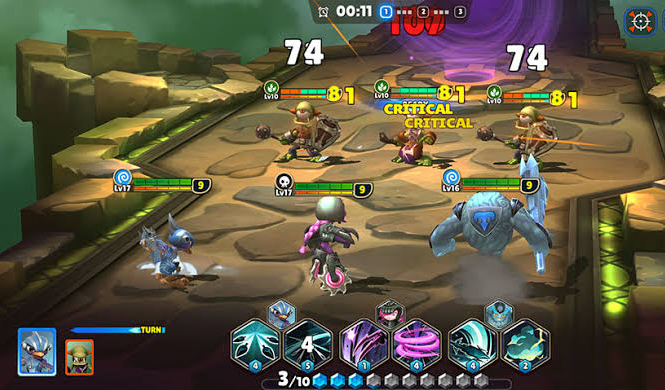
But collecting powerful Skylanders was only half the challenge. You also needed to understand which characters worked together, who deserved your limited upgrade resources, and why a well-built lower-rarity hero could sometimes outperform a Legendary character with poor team synergy.
That's what makes exploring Skylanders Ring of Heroes characters worthwhile, even today. The original mobile RPG was released globally in 2019, underwent a major gameplay overhaul in December 2020, and officially ended service on February 28, 2022. Although the official servers are no longer available, its character roster, battle mechanics, and progression systems remain interesting parts of Skylanders history.
This guide takes a detailed look at the playable roster, elemental advantages, character roles, historical rarity systems, strongest team combinations, and the differences between the original game and its revamped version. I'll also cover the fan-made Ring of Heroes Reborn concept, which shouldn't be confused with an official revival.
Whether you're revisiting an old favorite, researching the roster, or trying to understand how the game worked, this breakdown will help you make sense of the characters and what made each one useful.
I. Skylanders Ring of Heroes Characters: Full Roster Guide
A. What the Mobile RPG Roster Covers
Skylanders: Ring of Heroes brought together characters from several generations of the Skylanders franchise, including Spyro's Adventure, Giants, Swap Force, Trap Team, SuperChargers, and Imaginators.
Unlike the original toys-to-life games, you didn't need physical figurines or a Portal of Power accessory to collect characters. The mobile version used a summoning and progression system where players obtained Skylanders through in-game resources.
The early 2019 roster contained 84 collectible Skylanders, excluding additional variations. More characters were introduced through later updates, expanding the lineup beyond its original size.
The characters were used across Adventure stages, challenge content, and competitive modes such as Arena. Some focused on dealing damage, others protected teammates, and certain specialists were especially useful against difficult bosses.
B. How Elements, Roles, and Star Rarity Work
Every Skylander belonged to an element and a combat role. The original game featured ten elements: Life, Water, Fire, Air, Earth, Tech, Magic, Undead, Light, and Dark.
Characters were also classified as Attack, Defense, Support, or Expert types.
Rarity determined how difficult a character was to obtain and generally influenced its initial potential. However, the rarity system changed significantly between the original release and the 2020 revamp.
A five-star character wasn't automatically the best option for every battle. Skill effects, elemental advantages, and the resources invested in a hero could be more important than its starting rarity.
C. Quick Table of Name, Element, Type, and Rarity
The following table uses the original 2019 classification system. Later updates changed certain character grades and progression rules, so these shouldn't be mistaken for universal end-of-service statistics.
| Character | Element | Type | Original Stars |
|---|---|---|---|
| Spyro | Magic | Defense | 3★ |
| Stealth Elf | Life | Expert | 3★ |
| Ambush | Life | Attack | 5★ |
| Zoo Lou | Life | Support | 5★ |
| Tree Rex | Life | Defense | 4★ |
| King Pen | Water | Defense | 5★ |
| Wham-Shell | Water | Defense | 2★ |
| Spitfire | Fire | Attack | 5★ |
| Eruptor | Fire | Defense | 3★ |
| Smolderdash | Fire | Expert | 4★ |
| Stormblade | Air | Attack | 5★ |
| Jet-Vac | Air | Support | 4★ |
| Wild Storm | Air | Attack | 5★ |
| Tri-Tip | Earth | Defense | 5★ |
| Flashwing | Earth | Support | 3★ |
| Trigger Happy | Tech | Attack | 4★ |
| Ro-Bow | Tech | Attack | 5★ |
| Chain Reaction | Tech | Expert | 5★ |
| Enigma | Magic | Support | 4★ |
| Cynder | Undead | Attack | 3★ |
| Pit Boss | Undead | Support | 5★ |
| Knight Mare | Dark | Support | 5★ |
| Astroblast | Light | Attack | 5★ |
| Knight Light | Light | Support | 5★ |
This snapshot demonstrates how the roster distributed different combat roles across elemental categories. A strong team usually needed more than simply stacking the highest-rarity attackers.
II. How Characters Are Classified
A. Ten Elements and Element Advantage
Elemental matchups were a major part of Skylanders: Ring of Heroes.
Each element interacted with others through advantages and disadvantages, affecting the value of different characters against particular enemies.
For example, traditional Fire, Water, and Life relationships gave players a useful foundation for planning battles. Other elements, including Tech, Magic, Earth, and Air, introduced additional matchup considerations.
Light and Dark characters occupied their own elemental categories, often featuring particularly unusual abilities or character variations.
The practical lesson was simple: don't build a team consisting entirely of one element unless you're deliberately targeting a favorable encounter. A diversified roster gave you more options when Adventure stages introduced unfamiliar enemies.
B. Attack, Defense, Support, and Expert Types
The four combat types helped players understand a Skylander's intended battlefield role.
Attack characters focused on offensive pressure. Spitfire, Ambush, and Astroblast were recognizable examples of characters capable of dealing substantial damage.
Defense characters emphasized survivability. King Pen, Tree Rex, and Tri-Tip could absorb punishment and help protect more vulnerable teammates.
Support characters provided beneficial effects such as healing, shields, buffs, or other forms of utility. Jet-Vac, Zoo Lou, and Knight Mare demonstrated different ways support units could influence battles.
Expert characters relied on specialized mechanics. Stealth Elf, Chain Reaction, and Hex offered abilities that rewarded understanding cooldowns, enemy weaknesses, and status effects.
These labels described general roles, not absolute restrictions. A Defense character could still contribute meaningful damage, while an Expert might provide valuable team utility.
C. Natural, Rare, Premium, and Legendary Stars
The original release used a five-grade rarity structure.
| Initial Grade | Starting Stars | Rarity Category |
|---|---|---|
| Normal | 1★ | Common starting category |
| Premium | 2★ | Lower-to-middle rarity |
| Rare | 3★ | Intermediate rarity |
| Heroic | 4★ | High rarity |
| Legendary | 5★ | Highest original rarity |
This system is important when reading old guides because the 2020 overhaul introduced different grade presentations and summoning mechanics.
Later versions commonly used R, SR, UR, and LE classifications instead of applying the original five-grade system unchanged.
Also, starting stars shouldn't be confused with a hero's evolved level or awakened status.
D. Base Stats: ATK, DEF, HP, Endurance, Accuracy, and Evasion
Every Skylander had several statistics that affected combat.
ATK determined offensive strength, while DEF helped reduce incoming damage. HP represented total health and influenced how long a character could survive.
Endurance was particularly important because reducing an opponent's Endurance could expose them to additional pressure or specific disabling effects.
Accuracy and Evasion determined how reliably attacks connected or were avoided, while Effect Accuracy and Effect Resistance influenced status-related interactions.
Critical Hit Rate, Critical Hit Damage, and Defense Penetration further affected offensive performance.
A character with impressive ATK might still be unreliable if its attacks frequently missed or it couldn't survive long enough to use its strongest skills.
III. Life and Water Characters
A. Stealth Elf, Ambush, Boom Bloom, and Zoo Lou
Life-element Skylanders offered an interesting combination of damage, durability, and utility.
Stealth Elf was one of the most recognizable characters in the game. Her Expert classification made her attractive to players who enjoyed tactical abilities rather than straightforward attacks.
Ambush was a Legendary Attack character in the original roster. His offensive profile made him useful for eliminating important targets, particularly when teammates created opportunities for him.
Boom Bloom arrived after the original launch roster and brought her plant-themed abilities into the mobile RPG. Her presence expanded the range of Life characters available to players.
Zoo Lou filled a Support role and offered a different approach to team-building.
Other Life characters included Food Fight, Zook, Stink Bomb, Grilla Drilla, Tuff Luck, and Super Shot Stealth Elf.
B. Wham-Shell, King Pen, and Other Water Tanks
Water characters included some excellent defensive options.
King Pen was a natural five-star Defense character in the original version. His strong HP and defensive statistics made him an appealing frontline choice.
Wham-Shell started as a lower-rarity Defense unit, but his endurance-focused profile demonstrated why rarity wasn't everything. When upgraded appropriately, he could contribute useful durability.
Slam Bam and Chill also belonged to the defensive Water category.
Other Water Skylanders included Gill Grunt, Snap Shot, Freeze Blade, Wash Buckler, Dive-Clops, Tidepool, and the later-added Thumpback.
Thumpback became particularly notable as a Legendary Water defender in the revamped game's later updates.
C. Heal, Provoke, and Sustain Kits
A reliable team needed ways to survive extended encounters.
Healing could restore lost HP, defensive buffs reduced incoming damage, and provoke-style control encouraged enemies to attack a designated target.
A durable Water character worked well alongside a supportive Life unit, especially when the remaining characters focused on damage.
However, not every Life character was a healer, and not every Water character could provoke enemies. These abilities depended on the individual skill kit and game version.
The best defensive strategy was to examine actual skill descriptions instead of assuming that an element automatically provided a particular effect.
IV. Fire and Air Characters
A. Eruptor, Spitfire, and Smolderdash
Fire characters were popular because many provided strong offensive pressure.
Eruptor was surprisingly defensive in the original roster. Although his explosive appearance suggested a pure damage dealer, he was classified as a Defense character.
Spitfire represented the more straightforward aggressive option. As a natural five-star Attack character, he was particularly attractive when players wanted substantial damage and a high-rarity offensive unit.
Smolderdash belonged to the Expert category, offering an alternative for players who preferred specialized abilities.
Other Fire characters included Wildfire, Ember, Blast Zone, Ignitor, Flare Wolf, Ka-Boom, Hot Dog, and the later-added Flameslinger.
Fire teams were most effective when their offensive strength was supported by enough survivability to continue attacking.
B. Jet-Vac, Astroblast, and Stormblade
Air characters offered useful offensive and support options.
Jet-Vac was classified as Support and could contribute defensive utility rather than simply dealing damage.
Stormblade was a powerful natural five-star attacker, making her attractive for players who wanted strong offensive output.
Wild Storm was another high-rarity Air attacker, while Whirlwind provided support-oriented options.
Astroblast is sometimes incorrectly grouped with Air characters because of his space-themed appearance and ranged attacks. However, his actual element in Ring of Heroes was Light, not Air.
That distinction matters whenever elemental advantages influence team selection.
C. Burst, Explosion, and Crit-Rate Attackers
Offensive characters generally fell into two broad categories: sustained damage dealers and burst-focused attackers.
Burst characters attempted to eliminate enemies quickly through powerful skills or favorable critical hits.
Sustained attackers were more concerned with repeated damage across longer fights.
Critical Hit Rate buffs could make strong attackers more reliable, especially when paired with heroes capable of providing offensive support.
However, a team built entirely around damage could struggle against heavily defensive enemies or powerful crowd-control effects.
I would generally prioritize one reliable damage dealer and then add utility that helps that character perform consistently.
V. Earth and Tech Characters
A. Tree Rex and Other Earth Defenders
Tree Rex deserves a clarification because his appearance can make him seem like an Earth character. Despite his enormous size and heavy attacks, Tree Rex belongs to the Life element.
His original Ring of Heroes role was Defense, making him useful as a durable frontline character.
For actual Earth defenders, Tri-Tip, Barbella, and Crusher were important options.
Tri-Tip started as a natural five-star Defense character, while Barbella and Crusher provided additional frontline alternatives.
Other Earth Skylanders included Dino-Rang, Wallop, Flashwing, Rocky Roll, Shark Shooter Terrafin, Head Rush, and Smash Hit.
Earth teams often benefited from durability and disruptive abilities, particularly during encounters where surviving enemy attacks was more important than immediate damage.
B. Trigger Happy, Ro-Bow, and Chain Reaction
Tech characters featured some of the most recognizable ranged and mechanical-themed fighters.
Trigger Happy was an Attack character with a natural four-star classification. His gunslinger identity made him a memorable choice for players who enjoyed offensive combat.
Ro-Bow was a natural five-star attacker and provided another high-rarity damage option.
Chain Reaction was a Legendary Expert character, making him especially interesting for players who wanted specialized abilities rather than ordinary attacks.
Other Tech characters included Gearshift, Sprocket, Boomer, High Volt, Chopper, and the later-added Drobot.
The Tech roster demonstrated how characters from the same element could still perform very different jobs.
C. Knockdown, Diminish, and Cooldown Control
Status effects were essential during difficult encounters.
Knockdown and other disabling conditions could interrupt enemies or create openings for damage.
Diminish was another important debuff, reducing an opponent's effectiveness and making certain encounters easier to control.
Cooldown management mattered because powerful abilities couldn't be used continuously. A character with strong damage but long cooldowns might perform worse than a specialist capable of contributing more frequently.
Expert characters were especially interesting in this area.
When building a team, I would consider whether a character could reliably apply important effects before investing heavily in raw offensive statistics.
VI. Magic, Undead, Dark, and Light Characters
A. Spyro and Other Magic Attackers
Spyro was one of the central characters of Ring of Heroes, but his role might surprise players familiar with his appearances in other Skylanders games.
In the original mobile roster, Spyro was classified as a Magic Defense character.
That didn't mean he was incapable of attacking. It simply reflected how his abilities and statistics were organized in this particular RPG.
Other Magic characters included Buckshot, Pop Fizz, Splat, Enigma, Deja Vu, Ninjini, Mysticat, and Blastermind.
Buckshot offered a more attack-oriented option, while Enigma provided support utility.
Magic characters were useful for players who wanted unusual combinations of damage, buffs, and specialized mechanics.
B. Cynder and Undead Damage-over-Time Kits
Undead characters brought some memorable status-focused abilities.
Cynder was originally classified as an Attack character, making her useful for offensive team compositions.
Hex provided a more specialized approach. Her abilities could apply effects such as Diminish and Heal Down, making her particularly interesting against enemies that relied on recovery.
Other Undead characters included Pit Boss, Fiesta, Roller Brawl, Chopscotch, Krypt King, Rattle Shake, and Chop Chop.
Damage-over-time and debuff strategies worked best when enemies survived long enough for those effects to matter.
Against opponents that could be defeated immediately, direct burst damage was often simpler.
C. Knight Mare, Wild Storm, and Light or Dark Supports
Knight Mare belonged to the Dark element and was classified as Support in the original roster.
Her high-rarity status and utility made her attractive to players who valued team synergy.
Wild Storm, despite sometimes appearing alongside Light and Dark characters in general rankings, was actually an Air attacker.
For Light support options, Knight Light and several Light-themed variants deserve attention.
The Light roster included Astroblast, Aurora, Knight Light, Light Flashwing, Light Hex, and Spotlight, alongside characters that appeared in particular versions of the game.
The Dark roster featured Knight Mare, Blackout, Starcast, Nightfall, Shadow Spyro, and Shadow King Pen.
D. Villain and Kaos-Element Units in Later Rosters
Ring of Heroes also featured recognizable villains from the wider Skylanders universe.
In the original version, certain villains could function as companions, contributing specialized abilities during combat.
However, the December 2020 revamp removed villain companions from the standard team format and shifted the focus toward four Skylanders and the Portal Master.
A separate playable Kaos-element roster wasn't part of the original ten-element classification.
Expanded Villain and Kaos-related elements appearing in modern fan projects should therefore be treated as custom concepts rather than official additions to the discontinued mobile game.
VII. Best Characters by Role
A. Best DPS and Burst Attackers
If I were comparing the historical roster purely for offensive potential, Astroblast, Spitfire, Ambush, Stormblade, and Buckshot would be among the most interesting characters.
Astroblast was especially attractive because his offensive tools could produce strong damage without requiring overly complicated team support.
Spitfire offered aggressive Fire damage, while Stormblade brought another powerful attack-oriented option.
However, the strongest damage dealer wasn't always the character with the highest displayed ATK.
Enemy resistance, elemental matchups, critical hit potential, and supporting buffs all influenced actual performance.
B. Best Tanks and Provoke Units
King Pen, Tri-Tip, Tree Rex, and Wham-Shell represented different defensive options.
King Pen was particularly appealing because of his strong starting defensive profile.
Tree Rex offered a durable Life-element alternative, while Wham-Shell demonstrated that a lower initial rarity could still provide meaningful protection.
When choosing a tank, I would examine more than HP.
Reliable defensive buffs, shields, provoke effects, and resistance to disabling conditions could make one defender significantly more useful than another.
C. Best Healers and Support Leaders
Support characters such as Jet-Vac, Zoo Lou, Enigma, Whirlwind, and Pit Boss were worth evaluating because they could contribute effects beyond direct damage.
Some supports provided healing, while others focused on shields, buffs, or enemy disruption.
Leader skills also influenced team composition.
A leader ability that improved survivability or damage for the entire party could provide more long-term value than a small personal stat advantage.
For difficult stages, a dependable support unit was often the difference between barely surviving and clearing consistently.
D. Best Expert Units for Harder Stages
Expert characters rewarded players who understood enemy abilities and combat timing.
Chain Reaction, Smolderdash, Stealth Elf, Hex, and Ninjini offered different specialized options.
Hex was particularly interesting against healing-oriented enemies because her debuffs could interfere with recovery.
Chain Reaction and Smolderdash provided alternatives for teams needing specialized offensive effects.
For harder encounters, the best Expert wasn't necessarily the rarest one. It was the character whose abilities addressed the specific problem preventing your team from winning.
VIII. S-Tier and Legendary Picks
A. Astroblast, Spitfire, Knight Mare, and Wham-Shell
Historical tier lists frequently placed Astroblast and Spitfire among the strongest characters.
Astroblast was particularly appealing because his offensive capabilities made him useful without requiring an elaborate team combination.
Spitfire provided another excellent damage-focused option.
Knight Mare contributed support utility, making her valuable in teams that already had enough offensive power.
Wham-Shell was also included among notable competitive recommendations, although he wasn't originally Legendary. His two-star starting rarity made him a useful example of how role effectiveness could outweigh rarity.
These placements reflect historical evaluations rather than a current competitive meta, since the official game is no longer operating.
B. Why Leader Skill and Utility Beat Raw Attack
A character's individual damage output was only one part of the equation.
Leader skills could strengthen the entire team, while healing, defensive effects, and status control created opportunities that raw ATK couldn't reproduce.
Imagine two teams with similar offensive power. One has no protection, while the other includes a reliable defender and a support capable of maintaining the team's health.
The second composition may deal less immediate damage but survive significantly longer.
That's why I would always compare team utility before investing everything into the highest-rarity attacker available.
C. When a Lower-Star Natural Still Clears Adventure
A lower-rarity character could remain useful through much of Adventure if properly developed.
Stealth Elf, Spyro, Wham-Shell, and other accessible characters offered valuable mechanics without requiring an entire roster of Legendary units.
Equipment, skill upgrades, elemental matchups, and team composition all contributed to performance.
For players working with limited resources, concentrating upgrades on a dependable starter team was often more effective than repeatedly replacing characters whenever a higher-rarity summon appeared.
IX. Beginner Characters to Build First
A. Free and Early Adventure Unlocks
The original mobile RPG introduced familiar characters and provided opportunities to expand the roster through summoning and Adventure progression.
Spyro and Stealth Elf were particularly recognizable early-game characters, while other accessible units helped cover additional combat roles.
The exact acquisition process depended on whether you were playing the original version or the later revamp.
For beginners, I would prioritize characters with straightforward mechanics and useful team roles.
There's little benefit in obtaining several complicated damage dealers if your team still lacks reliable healing or protection.
B. Safe First Team of Tank, Healer, and Two Attackers
The revamped version used a four-Skylander team alongside the Portal Master.
A straightforward beginner composition would include one tank, one support or healer, and two damage-focused characters.
For example, Tree Rex could fill a defensive position, while a support such as Whirlwind or another available healer could improve survivability.
Stealth Elf and Spitfire would provide offensive options, assuming those characters were available in the player's collection.
This is an illustrative composition rather than a guaranteed optimal team.
The most important goal is balancing protection, recovery, and damage so that your team can handle different encounters.
C. Characters to Bench Until You Have Soul Stones
In the original version, Soul Stones played a major role in unlocking and improving characters.
A powerful hero with insufficient upgrade resources could fall behind a lower-rarity character who had already received substantial investment.
This made resource management especially important.
Rather than upgrading every new character immediately, players benefited from focusing on a small group of reliable units.
The 2020 revamp removed the original Soul Stone summoning system, so this advice applies specifically to the older mechanics. In the revamped game, duplicate summons and other upgrade materials became more relevant.
X. Summoning, Fragments, and Wish Stones
A. Shards Versus a Full Unit
Originally, summoning revolved around acquiring Soul Stones or fragments.
Once a player collected enough materials for a particular Skylander, they could unlock that character.
Additional Soul Stones were also useful for progression systems such as evolution and awakening.
This changed with the 2020 overhaul.
The revamped version allowed players to obtain complete Skylanders directly through summoning instead of collecting Soul Stones to unlock them.
When reading historical guides, it's essential to identify which summoning system they're describing.
B. Gems, Gold, and Who to Pull For
Gems were among the most valuable resources because they could be used for summoning.
Gold supported character progression, equipment-related systems, and other upgrades.
In the original version, saving enough Gems for more valuable summon options could improve the chances of obtaining higher-rarity characters.
However, rerolling endlessly wasn't always necessary.
A balanced team with a durable defender, consistent damage dealer, and useful support could progress through Adventure without depending entirely on an ideal Legendary pull.
C. Premium and Legendary Rates
Summoning probabilities varied considerably between versions.
For example, the original 2019 Normal Summon advertised a 0.40% chance of obtaining a five-star Legendary character.
The historical Ultra Premium Summon had a much higher advertised Legendary probability of 18.23%.
Those figures shouldn't be confused with the revamped game's summoning rates.
After the overhaul, summon categories, grade terminology, and probabilities changed.
The practical lesson is that rates from one version shouldn't be applied to another, especially when comparing old reroll guides.
D. Why Duplicates Matter for Evolve and Awaken
Duplicate characters were not necessarily wasted summons.
In the original system, progression depended heavily on Soul Stones, which were connected to obtaining additional copies or fragments of a character.
The revamped game replaced those mechanics with a different approach.
Duplicate summons could improve existing Skylanders, eventually contributing to Superboost progression.
That meant summoning a familiar character could still provide value even when it didn't expand the collection.
XI. Evolve, Awaken, and Superboost
A. When to Evolve a Main
Evolution was an important way to raise a character's potential.
In the original system, players needed appropriate materials to evolve a Skylander and increase its level cap.
I would generally prioritize evolving characters used in the main Adventure team.
Investing heavily in a hero who rarely participates in battles creates unnecessary resource pressure.
Later versions introduced additional evolution stages. By November 2021, the game's maximum progression had been extended to level 140.
B. Awakened Form and Outfit Changes
Awakening was one of the more memorable progression systems because it changed more than a character's statistics.
An Awakened Skylander gained improved abilities and a more elaborate appearance, often featuring additional armor, redesigned accessories, or other visual changes.
These transformations made character progression feel meaningful.
Awakening could also improve skill effects, making an already useful character significantly stronger.
However, the required materials and exact procedures differed between versions, so older instructions aren't always interchangeable.
C. Transcendence, Skill Power-Up, and Max Level Cap
Beyond ordinary leveling, Ring of Heroes provided additional ways to strengthen characters.
Skill upgrades improved damage, utility, or other ability characteristics.
Transcendence and later evolution systems increased long-term progression potential.
Superboost was another important mechanic in the revamped version. It increased basic statistics and could raise the maximum level of certain skills.
Duplicate Skylanders and Superboost Keys contributed to this system.
The best upgrade path depended on the character's role. Improving a support's useful utility skill could provide more value than raising the damage of an ability the character rarely used.
D. Red Potions Versus Stage EXP
Red Potions were historically used to provide character experience.
However, they weren't the only way to level up.
Completing Adventure battles also awarded experience, which made repeating suitable stages a useful progression method.
For players conserving resources, stage farming offered a way to level characters while working toward other objectives.
Potions were more convenient when a character needed immediate levels, but they could consume resources that were useful elsewhere.
I would generally save instant experience materials for characters that needed to join the main team quickly.
XII. Team Composition
A. Element Coverage for Episode Dungeons
Elemental coverage was important because Adventure and Episode Dungeon encounters featured different enemies and combat requirements.
A team built entirely around one element could struggle when facing unfavorable matchups.
Instead, players benefited from maintaining several developed characters across different elements.
For example, having access to a durable Water defender, an offensive Fire character, and useful Life or Magic support provided more flexibility.
The best approach was to examine the upcoming encounter before selecting a team rather than relying on one composition for every stage.
B. Mana, Cooldown, and Leader-Skill Stacking
Mana management was central to combat.
Powerful abilities required resources, so players needed to decide when an attack was worth using.
The original game emphasized real-time skill scheduling, while the revamped version introduced a more traditional turn-based system that still used mana.
Cooldowns also mattered. Using every powerful ability immediately could leave the team vulnerable during the next enemy attack.
Leader skills added another layer of strategy by improving particular aspects of the team.
Rather than assuming multiple leader bonuses would stack automatically, players needed to check the rules of the version they were using and select the most useful available leader effect.
C. PvE, Arena, and Guild Wars Teams
Different game modes rewarded different strategies.
Adventure and PvE encounters often favored survivability, elemental counters, and reliable damage.
Arena battles placed greater emphasis on team synergy, status control, and the ability to defeat dangerous opponents before they could use important abilities.
Guild Wars encouraged players to think carefully about available rosters and opposing teams.
A character who performed exceptionally well against a predictable PvE boss might be less effective against a player-controlled team with several defensive options.
Building separate compositions for different modes was often more useful than forcing the same characters into every encounter.
D. Counters to Freeze, Heal Down, and Diminish
Status effects could completely change the outcome of a difficult battle.
Freeze prevented characters from acting normally, making resistance and cleansing effects valuable.
Heal Down reduced the effectiveness of recovery strategies, creating serious problems for teams that depended heavily on healing.
Diminish weakened characters and could expose them to additional punishment.
When preparing for enemies that applied these effects, I would prioritize effect resistance, cleansing abilities, and reliable defensive options.
Sometimes eliminating the enemy responsible for the debuff was the simplest solution.
The important part was identifying why the team was losing rather than assuming more attack power would solve every problem.
XIII. Story Characters Who Are Not Playable
A. Master Eon, Hugo, Cali, and Flynn
Not every important Skylanders character was available as a normal collectible combat unit.
Master Eon served as a central mentor figure, while Hugo, Cali, and Flynn helped establish the game's story and wider connection to the Skylanders universe.
These characters contributed to dialogue, quests, and narrative progression.
Their appearances didn't automatically mean they could be obtained through the normal Skylander summoning roster.
This distinction matters when browsing comprehensive character lists that combine playable heroes, story NPCs, and enemies.
B. Kaos, Glumshanks, and Doom Raiders
Kaos remained one of the franchise's most recognizable antagonists.
Alongside Glumshanks, he played a major role in the Ring of Heroes storyline, particularly through the Book of Dark Magic and its effect on Skylands.
The Doom Raiders also appeared throughout the story as dangerous opponents.
Characters such as Wolfgang, Dr. Krankcase, and other villains helped connect the mobile RPG to earlier Skylanders adventures.
Although certain villains could function as companions in the original version, that didn't make every story villain a permanently collectible Skylander.
C. Trap Team Villains as Enemies
Trap Team introduced many memorable villains, and several appeared in Ring of Heroes as enemies or bosses.
The Chompy Mage, Gulper, Chef Pepper Jack, Dreamcatcher, Golden Queen, Dr. Krankcase, Pain-Yatta, Nightshade, and Luminous all contributed to the game's villain-focused encounters.
Some appeared in particular dungeons, while others played larger narrative roles.
The original game's companion system gave players limited opportunities to use villains in combat.
After the 2020 revamp, that system changed substantially.
For roster research, it's useful to keep playable Skylanders, temporary villain companions, and story bosses in separate categories.
XIV. Ring of Heroes Reborn Roster Notes
A. What Changed From the Original Mobile List
The name Ring of Heroes Reborn can refer to a fan-made recreation concept rather than the official 2020 revamp.
In 2026, a community creator proposed rebuilding the experience in Roblox, with plans to reproduce much of the original storyline while expanding the number of obtainable characters.
The proposed roster went beyond the official mobile lineup and introduced new elemental categories.
The project was described as a work in progress rather than an official relaunch, so its planned character list shouldn't be treated as a confirmed playable roster.
B. Cut Characters and Fan-Named Units
Some Skylanders were planned or considered for the original mobile game but never received a full official release before shutdown.
These included characters associated with unused or unfinished content, such as Trap Shadow, Double Trouble, Dune Bug, Fright Rider, Wind-Up, Bat Spin, Bushwhack, Night Shift, Stump Smash, Rubble Rouser, and Shroomboom.
Fan projects may include these missing characters or introduce entirely new classifications.
The Reborn proposal, for example, described custom Villain, Magnificent, and Blank elements.
Those categories are creative expansions, not part of the original ten-element mobile roster.
When researching a particular character, always check whether it was officially playable, planned but unreleased, or created specifically for a fan project.
C. How to Use an Old Tier List Safely
Historical tier lists can still help explain character mechanics, but they need context.
A ranking written in early 2019 may describe the original real-time battle system, Soul Stone summoning, and a smaller roster.
A ranking from 2021 may use the revamped turn-based combat rules, direct character summoning, Superboost, and different rarity classifications.
The same character could perform differently after these changes.
For accurate comparison, check the version being discussed, understand the specific role and abilities, and avoid mixing character statistics from separate releases.
That approach is much more useful than assuming one old S-tier list represents every version of Ring of Heroes.
XV. Skylanders Ring of Heroes Characters FAQ
A. How Many Characters Are in the Game?
The original 2019 roster contained 84 collectible Skylanders, excluding alternate versions.
Additional Skylanders were introduced during later updates, expanding the overall lineup.
The exact total depends on whether you're counting the original release, the revamped version, character variants, or unreleased content.
For historical research, the safest approach is to specify the game version rather than presenting one number as the permanent total.
B. Who Is the Best Skylander to Summon?
Astroblast and Spitfire were among the strongest offensive recommendations in historical tier lists.
Knight Mare was valuable for support-oriented teams, while King Pen and other durable characters could provide important frontline protection.
However, there wasn't one universally best character for every encounter.
The strongest summon depended on team composition, elemental matchups, and whether you needed damage, defense, or utility.
C. Do All Elements Have an Attack, Defense, and Support?
Not every element had an equally balanced selection of combat roles.
The original roster distributed Attack, Defense, Support, and Expert characters differently across the ten elements.
For example, some categories offered several defensive options, while others emphasized attacking or specialized abilities.
That made collecting characters from different elements particularly useful.
A player could cover missing roles by mixing elements instead of forcing every team member to share the same category.
D. Should Beginners Evolve Spyro or Stealth Elf First?
Between Spyro and Stealth Elf, the better investment depended on what the team was missing.
Spyro's original Defense role could be useful if you needed a sturdier character, while Stealth Elf offered an Expert-oriented alternative.
If your existing roster already included a reliable tank, developing Stealth Elf might improve offensive flexibility.
If your team lacked survivability, Spyro could be the more practical choice.
I would prioritize the character used most frequently in the main team rather than spending resources simply because one was more recognizable.
E. Are Legendary Units Required to Finish Adventure?
No. Legendary characters provided valuable advantages, but they weren't the only way to progress through Adventure.
Lower-rarity Skylanders could remain useful when appropriately upgraded and paired with characters that complemented their abilities.
Elemental matchups, healing, defense, and status control could matter more than owning several high-rarity attackers.
A balanced roster with reliable upgrades was often a better long-term investment than an unfinished collection of Legendary characters.
The appeal of Skylanders Ring of Heroes characters came from how differently each hero could contribute to a team. With ten elements, four combat roles, multiple rarity categories, and a wide variety of abilities, the game offered plenty of opportunities to experiment with team composition.
Characters such as Astroblast, Spitfire, Ambush, and Stormblade stood out for offensive potential, while King Pen, Tree Rex, and Wham-Shell provided defensive options. Support characters such as Knight Mare, Jet-Vac, and Enigma added another layer of strategy through buffs, recovery, and team utility.
The game's progression systems also made roster development more interesting. Evolving, awakening, skill upgrades, and later Superboost mechanics encouraged players to invest in individual characters rather than simply collecting the rarest units.
Although the official game ended service in February 2022, its roster remains an interesting part of Skylanders history. The major 2020 revamp, subsequent character additions, and newer fan-made recreation proposals also explain why different guides sometimes show conflicting character lists or mechanics.
For anyone studying the game today, the most useful approach is to separate the original roster from the revamped version, understand each character's intended role, and evaluate how its abilities fit with the rest of the team.
Ultimately, what made Ring of Heroes memorable wasn't just collecting a large number of Skylanders. It was discovering how a familiar character could become surprisingly powerful when paired with the right teammates, upgraded carefully, and used in the right encounter.