Samurai Shodown Characters: A Player’s Tour Through SNK’s Weapon-Fighting Legends (1993–Today)
If you’ve ever bounced off a fighting game because combos felt like homework, Samurai Shodown tends to be the exception that hooks you anyway—because the characters don’t ask you to memorize a novel of inputs before they start feeling cool. They ask you one thing: respect the blade. The series (known as Samurai Spirits in Japan) has been running since the early ’90s and built its identity around high-stakes weapon combat, dramatic pacing, and a cast that feels like a traveling theater troupe—wandering swordsmen, shrine guardians, ninjas with animals, foreign duelists, cursed warriors, and straight-up supernatural bosses. Over time it’s grown into a massive character lineup—80+ playable warriors across the franchise—and a lot of them are memorable enough that people “main” them even when they’re not top tier.
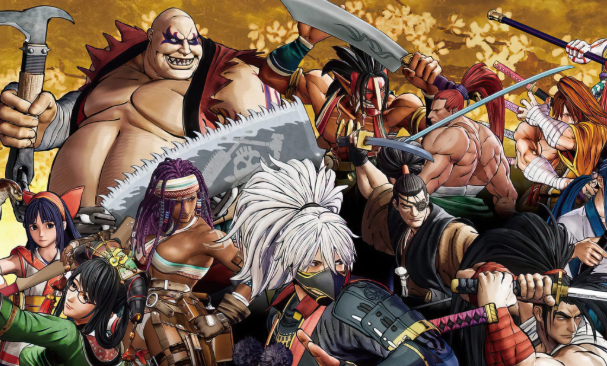
I. Samurai Shodown Series Overview: Why the Characters Feel Different Here
At its heart, Samurai Shodown is a weapon-based fighting series by SNK that intentionally slows the pace down compared to many combo-heavy franchises. The early games are set in Japan in the late 1780s, but they’re not trying to be a documentary—SNK uses the era as a stage and then lets the cast go wild with dramatic rivals, mythic threats, and foreign visitors. Even the first game’s plot framing leans into this “legendary tale” vibe: a supernatural menace returns, warriors gather, destinies collide—simple structure, huge personality.
The other thing that matters for character identity: tone and culture. The games don’t just slap a katana on everyone and call it a day. Samurai Shodown’s presentation leans into traditional aesthetics—music that evokes Japanese instruments, stage mood, and character voice work that emphasizes dialect and personality. When you pick a character, you’re not just choosing “fast vs slow.” You’re choosing an archetype with a clear attitude: honorable drifter, cold assassin, divine protector, tragic monster, or arrogant genius.
And because the franchise has been around so long, it has had time to do something rare: keep its icons recognizable while still letting newer entries remix them for modern players. That’s why “samurai shodown characters” is such a fun rabbit hole—this roster isn’t just big; it’s character-forward in the most literal sense.
II. Character Design & Roster Evolution: How We Got So Many Warriors
One reason Samurai Shodown characters have staying power is that the series treats them like a “mythic cast,” not disposable skins. SNK introduced a core group early, then expanded across sequels, revisions, and later reboots—without losing the series’ identity. Over decades, the roster naturally ballooned: returning fan favorites, one-off weirdos that became cult classics, and boss characters promoted to playable status.
That growth also explains why you’ll sometimes see wildly different “best characters” lists depending on which game people are talking about. A character might be mid-tier in one entry, terrifying in another, and rebalanced again in a modern version. And that’s before you even add DLC characters and guest crossovers in newer releases.
If you’re new: don’t worry about “knowing all of them.” Samurai Shodown is built so you can fall in love with one fighter and gradually learn the wider cast like you’re meeting characters in a long-running TV series.
III. The Flagship Icons: The Faces You’ll Recognize Everywhere
Haohmaru — the wandering swordsman “face of the series”
Haohmaru is the classic “wandering swordsman” archetype—confident, stubborn, kind of chaotic, and always ready to test his blade. He’s one of those protagonists who works because he’s simple on the surface but expressive in motion: big slashes, bold reads, and that “one clean hit changes everything” energy that defines the franchise. In character terms, he’s the centerline of Samurai Shodown’s identity—if you don’t know who to pick, Haohmaru is often the most direct way to understand how the game wants you to think.
Nakoruru — nature guardian and co-flagship heroine
Nakoruru is the other pillar. She’s a protector tied to nature and spirituality, and she brings an entirely different emotional texture to the roster—calm purpose instead of wandering bravado. In many entries, she also embodies the “mobility + precision” style: weaving around threats, controlling space with movement and well-timed strikes, and turning the match into a rhythm game where your opponent is always half a step late. The franchise explicitly treats certain characters as icons, and Nakoruru is right there among the most recognizable.
Ukyo Tachibana — the rival energy, elegant and lethal
Ukyo is the “rival” type in the best way—stylish, controlled, and often built around sharp punishment. Even if you don’t play him, he’s the character you remember because his style feels like it belongs in a period drama duel scene: one decisive moment, one surgical strike, and you’re suddenly reconsidering every approach you made.
Charlotte — the foreign duelist who fits perfectly anyway
Charlotte stands out because she’s not “Japanese period fantasy” on the surface—she’s a European fencer type—but she still feels native to the series because her identity is consistent: discipline, spacing, and a duelist’s mentality. The first game already framed the cast as a mix of warriors from different origins, which is part of why Charlotte doesn’t feel like a gimmick—she feels like proof that Samurai Shodown’s “stage” is bigger than one country.
IV. Samurai & Swordsmen: The “Honest” Core That Teaches You the Game
This category is basically Samurai Shodown’s spine: characters with blades (or blade-adjacent weapons) who win by fundamentals—range control, whiff punishment, and threatening huge damage when they get the right read.
Jubei Yagyu (the one-eyed samurai vibe) is a classic example of “experienced warrior” flavor. Characters like him tend to reward patience: they feel like you’re dueling, not “running a combo route.” Then you have fighters like Genjuro Kibagami, who often represent the “powerful, intimidating swordsman” archetype—less friendly, more “every mistake you make is expensive.”
Kyoshiro Senryo brings a more stylized weapon identity (naginata / polearm flavor depending on the entry), which changes how his space control feels: it’s not just “katana range,” it’s “I own this lane.” Yoshitora Tokugawa (in entries where he appears) leans into the noble-samurai identity—sometimes built around multi-sword or “collection” motifs—making him feel like a boss character even when he isn’t the boss.
If you want to learn Samurai Shodown as a concept, swordsmen are the best classroom. They force you to understand spacing and timing—the stuff that carries across every version of the series.
V. Ninja & Shinobi Specialists: Speed, Tricks, and “Don’t Blink”
Samurai Shodown’s ninjas aren’t “just fast.” They’re designed around mobility plus disruption—angles, repositioning, and making the opponent fear options they normally take for granted.
Hanzo Hattori is the classic ninja leader archetype—smoke, pressure, sudden movement. Galford D. Weller is the wildcard: a ninja with a dog companion (Poppy), which gives him a unique identity—like you’re fighting a coordinated duo rather than a single body. It’s not just “extra hits”; it changes how you think about screen control and distraction. In some later contexts, Poppy even becomes playable, which tells you how beloved the gimmick became.
Sogetsu Kazama and Kazuki Kazama often represent two different “ninja elemental” flavors—one more refined and controlled, the other more explosive and aggressive depending on the version. As a player, the appeal is obvious: ninjas let you turn a slow, tense duel into a messy chase scene—if you have the discipline to not overextend.
VI. Exotic & International Fighters: Samurai Shodown’s World Is Bigger Than Japan
One of the series’ underrated strengths is that its “late 1700s Japan” framing doesn’t trap it. The cast includes outsiders and unusual fighters, and the first game even highlights character origins as part of the lineup identity.
You’ll see characters that bring non-katana weapons, different fighting philosophies, and sometimes deliberately “odd” silhouettes so the roster never becomes a wall of similar swordsmen.
Tam Tam is a great example of “outsider warrior” energy—raw power, primal intensity, and a weapon style that feels completely different from refined samurai duels.
Earthquake (depending on the entry) leans into an exaggerated presence—big body, comedic flavor, surprising reach—often the kind of character players pick when they want to tilt the opponent with unpredictability.
Some characters exist to explore specific cultural flavors, weapon types, or supernatural themes—because Samurai Shodown doesn’t treat “historical period” as a limitation; it treats it as a vibe.
This is also where the series’ “artistic license” shines: you can have a stage that feels grounded, then populate it with a cast that feels like folklore plus action cinema.
VII. Supernatural & Mystical Characters: Folklore, Spirits, and Curses
Samurai Shodown is at its best when it leans into myth. It’s not afraid to put spiritual guardians, cursed fighters, sorcerers, and demonic forces into the same bracket as “honorable swordsman.”
Rimururu (often associated with icy spiritual power and sibling connection to Nakoruru) is a good example of how the series adds “nature magic” without losing the weapon-fighter feel. The aesthetic is mystical, but the gameplay still respects spacing and punishment.
Basara (in entries where he appears) represents the eerie, unnatural side—movement and attacks that don’t look “human,” which is exactly why he’s scary.
Shiki and other cursed/possessed-style characters (depending on the title) bring that darker tone: you’re not just fighting a rival—you’re fighting tragedy given a moveset.
These fighters tend to attract players who like intimidation value. Even when they’re not top tier, they make opponents second-guess because the animations and angles don’t match “normal” expectations.
VIII. Boss & Antagonist Characters: The Faces of the Series’ Big Threats
If you only know one villain name in Samurai Shodown, it’s probably Amakusa Shirō Tokisada. The first game’s story already frames the conflict around his supernatural return and the warriors who rise to oppose it.
Boss characters in Samurai Shodown often do two things:
They push the supernatural theme hard (portals, sorcery, demonic power), and
They feel like “rules are different now,” either through oppressive specials, weird angles, or pressure patterns that force you to play a cleaner game.
Then you have other boss-tier presences like Zankuro Minazuki, who in many fan discussions sits in that “nightmare swordsman” lane—more horror than heroism. Boss characters are also a big part of why the series’ roster has such variety: bosses aren’t just “stronger versions.” They’re tonal anchors that tell you what kind of story you’re in.
IX. Character Mechanics & Fighting Styles: What Actually Separates Them in Play
1) Weapon-based identity is not cosmetic
In Samurai Shodown, the weapon isn’t a prop. It defines your threat range, your risk, and how you convert a read into damage. When people say “one hit matters,” they mean it. A single heavy slash can swing a round so hard it feels like you just watched the climax of a duel scene.
2) The Rage system makes defense feel like strategy, not failure
A big series hallmark is some form of Rage mechanic—often powered by taking damage—turning survival into potential momentum. The psychological effect is huge: even when you’re behind, the opponent can’t relax, because the game is built around reversal moments and burst damage. The character roster is designed around that drama: some characters become terrifying once Rage is online, others build gameplans around baiting the opponent into panicking.
3) Archetypes exist, but the “SamSho flavor” stays consistent
Yes, there are fast characters, grapplers, zoners, stance weirdos, and boss monsters. But Samurai Shodown’s roster design usually keeps them grounded in the series’ duel mentality—spacing, timing, and choosing the right moment to commit.
X. Game Versions & Roster Variations: Why “Which SamSho?” Matters
When someone says they play Samurai Shodown, always ask: which one? The franchise spans classic Neo Geo entries, later expansions, and modern reboots. The Samurai Shodown series page is blunt about how large and varied the roster becomes across games and eras.
The 2019 reboot: modern visuals, modern balance, familiar souls
The modern reboot (often referred to as Samurai Shodown (2019)) is the easiest on-ramp for newer players because it looks current, has active balance thinking, and still preserves the “big hit, big tension” identity. It launched with a solid base roster and then expanded via DLC seasons—bringing back fan favorites and adding new blood over time.
What’s important as a player: the reboot re-contextualizes characters. Someone who felt niche in an older title might feel crisp and competitive here. Someone who was a terror in an older version might be more honest now. The character fantasy stays, but the “how strong are they?” conversation updates.
XI. DLC & Additional Characters: The Roster Keeps Growing
One of the most exciting things about modern Samurai Shodown is how DLC choices function like “love letters” to different parts of the franchise. If you’re a long-time fan, you get those “NO WAY they brought them back” moments. If you’re new, DLC characters feel like discovering side chapters of a big universe.
The 2019 reboot’s DLC lineup (across seasons) includes returning favorites and surprising additions—characters like Rimururu, Basara, Kazuki Kazama, Wan-Fu, Shizumaru Hisame, Mina Majikina, Sogetsu Kazama, Iroha, Warden, Gongsun Li, Cham Cham, Hibiki Takane, Amakusa, and Baiken (guest).
As a player, the real value isn’t just “more characters.” It’s that each DLC pick changes the ecosystem: matchups, comfort picks, tournament pocket choices, and the kind of playstyles you see online.
XII. A Practical Competitive Tier View (2019-era mindset, not eternal truth)
Let’s be real: tier lists are useful, but Samurai Shodown is one of those series where comfort and nerves matter almost as much as raw matchup charts. Still, if you want a “directional” sense of who tends to feel strongest in many competitive discussions around the modern era, here’s a player-practical breakdown (with the big warning: patches, matchups, and your personal style can flip these).
S-Tier (often seen as highly consistent at high level)
Charlotte, Genjuro, Jubei, Ukyo, Yoshitora, Mina
These characters typically combine strong neutral tools with reliable conversions—meaning they win more rounds off fewer clean hits, and they don’t need risky gimmicks to function.
A-Tier (very competitive, strong in the right hands)
Earthquake, Galford, Nakoruru, Tam Tam, Hibiki, Iroha, Shizumaru, Sogetsu, Warden, Gongsun Li
These fighters usually have at least one “serious win condition” that holds up in real play—mobility, reach, oppressive pressure, or tricky control—without being universally dominant.
B-Tier (solid, but often more matchup- or player-dependent)
Amakusa, Baiken, Basara, Hanzo, Haohmaru, Kazuki, Cham Cham
This is where you see lots of “fan mains.” They can absolutely win, but they may ask for more precision, better reads, or deeper matchup knowledge to keep pace with the most stable top tiers.
C-Tier (situational picks or harder to justify in open brackets)
Rimururu, Shiki, Wan-Fu, Yashamaru
Not “unplayable,” but often more niche: they can shine in specific matchups or if you’ve mastered the character, but they might require extra work to stay consistent across a tournament run.
D-Tier (rarely recommended unless you truly love the character)
This tier changes the most depending on balance state and community opinion. If you see someone labeled “D,” don’t treat it as an insult—treat it as a warning that you’re choosing the hard road.
If you’re new, I’d honestly rather you pick someone whose movement and weapon range feel natural to you than chase “S-tier” and hate every match.
XIII. Movesets & Signature Abilities: How to Choose a Main Without Overthinking
Instead of memorizing move lists, pick by fantasy + rhythm:
If you like honest duels: start with a flagship swordsman (Haohmaru, Ukyo-type archetypes).
If you like control and spacing: characters with strong pokes and clean punish tools (Charlotte-style).
If you like mobility and scramble: ninjas (Hanzo / Galford flavor).
If you like weird angles and mind games: supernatural picks (Basara-style).
If you like villain swagger: boss characters (Amakusa-type).
Samurai Shodown rewards commitment. The roster is so personality-driven that once you click with a character, you’ll naturally learn their toolkit because you want to see them succeed.
XIV. FAQ: Quick Answers Players Always Ask
Who’s the main protagonist?
Haohmaru is the classic face of the franchise, with Nakoruru as a co-flagship icon.
How many Samurai Shodown characters exist?
Across the franchise history, the series has accumulated 80+ playable warriors.
What makes Samurai Shodown unique compared to other fighters?
Weapon-first combat, huge damage swings, and “duel pacing” where a single decision can decide a round. The first game’s framing and setting already established that late-1700s dramatic backdrop where warriors gather to face a supernatural threat.
Is it 2D or 3D?
The series is historically rooted in 2D entries, with later eras experimenting, and modern releases presenting the classic feel with modern visuals.
Are historical figures represented?
Yes—some characters draw inspiration from real figures and history, though the games take artistic license.
XV. Media Adaptations: When the Cast Leapt Outside the Games
Samurai Shodown didn’t stay confined to arcades. The franchise expanded into animation and other media, which is part of why the characters feel like “icons” rather than mere roster slots. For example, a Samurai Shodown TV film appears in listings of 1994 anime releases, reflecting how the series’ characters were already popular enough to carry a screen adaptation in that era.
Even if you never watch the adaptations, it matters: it reinforces what the games already communicate—these are characters built to be remembered.
The reason samurai shodown characters remain such a fun topic isn’t just nostalgia—it’s design clarity. SNK built a roster where each fighter has a readable identity: the wandering hero, the nature guardian, the elegant rival, the ruthless swordsman, the ninja trickster, the outsider warrior, the cursed anomaly, the demonic antagonist. Across decades, that cast has grown into 80+ playable warriors, and yet the series still feels coherent because every character is designed to fit the duel.
If you’re picking a main, don’t let tier talk bully you. In Samurai Shodown, confidence and matchup knowledge often beat “on-paper strength,” because the game is built around moments—one whiff punished, one jump checked, one risky approach deleted. Choose the character whose rhythm feels right, then lean into their story, their weapon, and their attitude. That’s when the roster stops being a list of names and starts feeling like what it really is: a living lineup of legends, all waiting for their next duel.