Destiny Child Game Characters Tier List: Best Childs, Roles, Teams, and Final-Era Guide
When I first got into Destiny Child, the hardest part was not understanding the combat. It was opening the character menu, seeing an absurd number of beautifully animated Childs, and wondering which ones were actually worth pouring resources into. The game looked like a straightforward character collector at first, but once I reached Ragna Break, World Boss, and higher Devil Rumble ranks, that assumption disappeared pretty quickly.
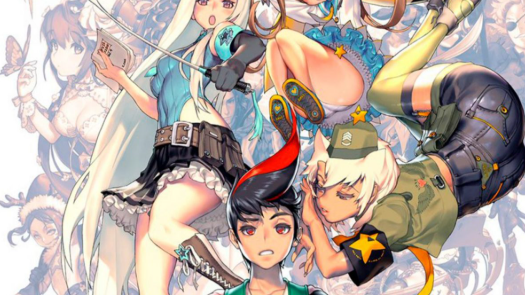
The important thing to understand about destiny child game characters is that there was never one perfect five-unit team. Story stages were forgiving enough to let you play favorites, while PvP could punish a poorly built lineup almost instantly. Raid teams wanted concentrated single-target damage and strong offensive buffs, whereas World Boss asked you to develop an entire 20-Child roster. A character could be amazing in one mode and barely leave storage in another.
This guide ranks the most useful Childs from the mature Global version of the game, while also explaining classes, elements, reroll priorities, summoning, progression, and the game's current status. Because official service has ended, think of this as a final-era retrospective ranking rather than a live 2026 balance list.
I. Introduction
A. What Is Destiny Child?
Destiny Child was a mobile collectible RPG created by SHIFT UP, the Korean studio later known for titles such as Goddess of Victory: NIKKE and Stellar Blade. Instead of collecting conventional heroes, players summoned supernatural beings called Childs, formed five-character teams, and fought through story battles, raids, PvP, World Boss encounters, and limited events.
Combat revolved around Normal attacks, Tap Skills, Slide Skills, Drive Skills, and Fever Time. While the basic battles could run automatically, high-level play involved controlling skill order, Drive timing, buffs, debuffs, healing, and Fever activation.
The presentation was also a huge part of the appeal. Nearly every major Child used animated 2D artwork, giving the roster far more personality than static portrait-based gachas.
B. Overview of the Character "Childs" Roster
The roster eventually became enormous. There were five elemental attributes—Fire, Water, Wood, Light, and Dark—and five main character types: Attacker, Defender, Healer, Supporter, and Debuffer.
That combination created a lot of overlap. You might have three great attackers but still need different ones because the next Raid boss changed element. You might own an amazing healer but replace her in a damage race because a support unit provided enough sustain while increasing DPS.
This is why blindly sorting destiny child game characters by rarity never worked.
C. How This Character Guide Is Organized
The rankings below focus on overall usefulness across Story, Ragna Break, World Boss, and Devil Rumble while giving extra credit to characters who could comfortably appear in several modes.
S tier represents characters I would happily invest in early because their kits stayed useful for a long time. A tier contains strong choices that may be more specialized. B tier is perfectly playable but usually replaceable. C and lower covers older, narrowly useful, or heavily power-crept Childs.
Content
II. Character Ranking Criteria
A. Performance Across Story, PvP, and Raid Modes
Story performance matters least because a developed account could clear most campaign content with plenty of different teams. The real test starts with endgame modes.
Ragna Break favors a five-Child team built around destroying one boss as efficiently as possible. World Boss expands the battlefield to 20 Childs, making global buffs, debuffs, and team-wide survival much more valuable. Devil Rumble is completely different again because speed manipulation, debuffs, immortality, barriers, targeting, and burst damage can decide a fight before conventional PvE damage really gets going.
Because of that, versatility earns a lot of points in this ranking.
B. Skill Damage, Buffs, and Survivability
Raw attack is useful, but I would never judge a Child by attack stats alone.
The strongest teams stack effects such as Skill Gauge acceleration, Skill Charge Speed, Weak Point damage, critical rate, critical damage, attack buffs, Double-Edged Sword, Aid, debuff amplification, defense reduction, and elemental bonuses.
Survivability matters too. Immortality, barriers, Life Link, healing, cleansing, resurrection, and defensive buffs can completely change difficult content.
C. Versatility and Team Synergy
A unit like Newbie Mona stayed useful for so long because she could support attackers regardless of the exact boss. Anemone became similarly valuable because she combined several useful effects rather than doing one narrow job.
These generalists are especially valuable for newer accounts. Building five separate optimized elemental rosters takes a lot of time, so versatile support characters give you much better early returns.
III. S-Tier Characters – Best Overall
My S tier is not saying every character below belongs in every team. Instead, these are the destiny child game characters I consider the safest high-value investments from the late Global era.
| Character | Main Role | Why I Rate Them Highly |
|---|---|---|
| Anemone | Supporter | Extremely broad PvE usefulness with strong PvP value |
| Newbie Mona | Supporter | Universal offensive support and Raid/WB staple |
| Hard Worker Neptune | Supporter | Healing, speed, and offensive utility |
| Phantom Thief Lupin | Supporter | Premier critical-focused Raid/WB support |
| Runaway Thisbe | Supporter | Excellent Skill Gauge support and PvP immortality |
| Lost Maat | Healer | Outstanding healing and World Boss sustain |
| Pure White Pomona | Healer | Healing, cleansing, resurrection, excellent safety |
| Wood Bathory | Debuffer | Valuable debuff utility across difficult content |
| Courtesan Bathory | Attacker | Devastating Fire attacker when properly developed |
| Forbidden Eve | Attacker | Excellent Water damage dealer |
| Moonlight Artemis | Attacker | Powerful Dark offensive option |
| Hasty Ophois | Attacker | Strong Dark damage with great late-game potential |
| Clotho | Defender | Excellent PvP survival and defensive utility |
| Ymir | Defender | Powerful defensive PvP option |
| Navi | Debuffer | Exceptional World Boss utility |
A. Top Attackers
Courtesan Bathory was one of those characters that really showed what Ignition could do. With enough investment, her damage became frightening, especially when the team was built specifically to feed her buffs.
Forbidden Eve is another attacker I would happily build. She could become a centerpiece Water damage dealer and was much more useful than simply throwing a random high-rarity attacker into the slot.
For Dark, Moonlight Artemis and Hasty Ophois were among my favorite investments. Both could produce serious damage when fully developed.
The important lesson is to eventually raise at least one excellent attacker for every element. One universal damage dealer was never enough for endgame PvE.
B. Top Tanks, Healers, and Support Units
The real stars of Destiny Child's roster were arguably its support characters.
Anemone is one of my highest overall picks because she fits so many situations. Even late in the game's lifespan, players could slot her into different PvE teams while still getting strong Devil Rumble value.
Newbie Mona is equally important. Her combination of offensive support and Skill Gauge-related utility made her a classic Raid and World Boss pick.
Then there is Hard Worker Neptune, a character I would recommend to almost any developing account. She offered sustain without forcing you to sacrifice an entire slot to a conventional healer, while still contributing valuable support effects.
Phantom Thief Lupin was the go-to critical support for a long time. She was not equally useful against every boss—especially once encounters began reducing critical effectiveness—but whenever crit strategies worked, she could massively increase damage.
For dedicated healing, Lost Maat and Pure White Pomona were both excellent. Maat's ability to keep huge World Boss teams alive made her particularly memorable, while Pomona's cleansing and resurrection gave her outstanding general safety.
IV. A-Tier Characters
A. Strong Attackers and Debuffers
My A tier includes characters such as:
Titania, Pepita, Dreamer Saturn, Gun Hildr, Myra, Eve, Mafdet, Natalis, Isolde, Kalaratri, Nicole, Mercury, Midas, Light Werewolf, Luin, and Maid Sytry.
Titania is a good example of why A tier does not mean mediocre. In the correct team she could be extremely effective, and she was regularly discussed as a serious elemental attacker.
Natalis and Isolde shine more in PvP-oriented setups. Devil Rumble gradually became very friendly to strong debuffers because slowing the opponent or disrupting their rotation could matter more than running another conventional attacker.
Mercury and Midas are much more interesting for World Boss because debuffing enemy defenses and increasing Weak Point performance can raise the output of your entire back line.
B. Strong Healers and Support Units
Chang'e, Fire Rusalka, Sunbeach Mona, Maid Sytry, Light Sytry, Babel, Leo, and various element-specific Aid supports fit comfortably around A tier depending on the mode.
Chang'e deserves historical respect. Skill acceleration was incredibly valuable, and for a long time she felt almost mandatory to players building fast teams. Later characters provided more specialized or more powerful alternatives, but her influence on the early meta should not be forgotten.
V. B-Tier Characters
A. Reliable Mid-Tier Picks
B-tier destiny child game characters are usually characters I would use while developing an account but hesitate to dump premium Ignition materials into unless I had a specific plan.
Examples include Dana, Mars, Syrinx, Olga, Pantheon, Epona, Lan Fei, Jupiter, Hades, Raccoon, Diablo, and older versions of several once-meta attackers.
That might sound harsh for Dana, because she was once one of the best defensive characters in the game. The issue is simply power creep. Destiny Child ran for years, and later kits became far more complicated.
A classic Defender offering barriers and defense was eventually competing against characters who could combine defensive effects with immortality, utility, disruption, or stronger PvP mechanics.
B. Situational and Niche-Use Characters
World Boss was especially good at reviving forgotten Childs. A unit that looked unimpressive in a normal five-member team could suddenly become useful because a 20-character composition has room for specialized debuffs.
That is why I never recommend destroying a five-star Child simply because she appears low on one tier list. Events changed, bosses changed, and niche skills occasionally became relevant again.
VI. C-Tier and Lower Characters
A. Below-Average Performers
C tier mainly contains older characters whose kits became too basic.
A pure damage dealer with mediocre multipliers is difficult to justify when newer attackers hit more targets, receive stronger Ignition upgrades, or interact with modern buffs. The same applies to Defenders who only provide a straightforward defense increase when later characters bring barriers, immortality, Life Link, or other advanced protection.
Many launch-era three-star and four-star Childs naturally end up here too.
B. Characters Worth Replacing or Skipping
I would replace a low-tier attacker once I owned a clearly superior elemental DPS option. Likewise, older defensive units are usually temporary investments.
There is one important exception: do not casually sacrifice rare five-star characters.
Duplicates were required for uncapping and could also feed later progression systems. In Destiny Child, a character sitting unused today could suddenly become useful because of Ignition, a new boss mechanic, or a specialized World Boss lineup.
VII. Elemental Attribute Overview
A. Fire, Water, Wood, Light, and Dark Attributes
Destiny Child uses a simple elemental triangle:
Fire beats Wood.
Wood beats Water.
Water beats Fire.
Light and Dark are different. They are mutually effective against one another, so fighting the opposite element creates high damage potential on both sides.
That means a Dark attacker can be excellent against a Light boss, but you also need to pay attention to incoming damage.
B. Elemental Advantage and Team Building
Element becomes increasingly important as you reach serious PvE.
For Story mode, I would rather run my five strongest developed characters than force a weak elemental team. For Raid and World Boss, however, I always try to use an attacker with elemental advantage.
My long-term account-building goal would therefore be:
One strong attacker for every element
Several universal supporters
A couple of reliable healers
Mode-specific debuffers
PvP specialists
World Boss staples
That gives much better coverage than developing five characters and expecting them to clear everything.
VIII. Character Roles and Class Types
A. Attacker, Defender, and Tank Roles
Attackers are exactly what the name suggests: your main damage dealers. They usually have high ATK and offensive skills designed to kill bosses or enemy Childs.
Defender is the game's official defensive class. Players often call these characters tanks, but “Tank” is not really a separate standard class.
Defenders use effects such as Taunt, barriers, defense boosts, immortality, or damage mitigation to keep squishier teammates alive.
B. Healer, Support, and Debuffer Roles
Healers restore HP, cleanse harmful effects, provide regeneration, resurrect fallen allies, or offer other survival tools.
Supporters accelerate the team. This is arguably the most important overall class because Skill Gauge boosts, attack buffs, critical buffs, Aid, and other enhancements multiply the performance of your attackers.
Debuffers work in the opposite direction. Instead of making your team stronger, they cripple the enemy through defense reduction, Skill Gauge manipulation, status effects, debuff extension, or other disruptive mechanics.
High-level teams usually combine several roles rather than stacking five attackers.
IX. Best Attacker Characters
A. Top Damage Dealers
If I were rebuilding a collection from the final Global roster, my attacker shortlist would include:
Courtesan Bathory – One of the standout Fire damage dealers when fully developed.
Forbidden Eve – A fantastic Water investment.
Water Mafdet – Another strong Water attacker with serious late-game potential.
Titania – An excellent Wood-oriented offensive choice in appropriate content.
Moonlight Artemis – Dependable high-end Dark damage.
Hasty Ophois – Another premium Dark attacker.
Dreamer Saturn – A capable damage dealer with usefulness across multiple forms of content.
The best choice changes with elemental matchup. I would rather own five great elemental attackers than spend absolutely everything optimizing one character.
B. Crit Rate and Skill Damage Synergy
Critical builds could become ridiculous in Destiny Child, but they required proper support.
This is where Lupin became so valuable. Increasing critical performance on an already highly developed attacker could produce huge Fever and skill damage.
The mistake I see newer players make is focusing only on the attacker. A great attacker with mediocre support will often lose to a slightly weaker attacker backed by properly optimized buffers and debuffers.
Your damage belongs to the team, not just the DPS character.
X. Best Healer and Support Characters
A. Top Healers
My healer priority looks roughly like this:
Lost Maat is one of the best pure healing investments, particularly because her toolkit works so well in World Boss.
Pure White Pomona is arguably even more comfortable for difficult general PvE. Healing, cleansing, and revival can save runs that would otherwise collapse.
Belial gained significant value in later PvP thanks to a kit involving survival effects such as Life Link, Immortal, and cleansing.
Traditional healers are not always required in Raids, however. If a support unit can provide enough healing while also increasing damage, dropping the dedicated healer can substantially improve clear times.
B. Top Buffers and Support Units
For supporters, my core group is:
Anemone
Newbie Mona
Hard Worker Neptune
Phantom Thief Lupin
Runaway Thisbe
If I could only keep five support-oriented characters on an account, these would be near the top of my list.
Newbie Mona and Neptune are fantastic generalists. Lupin pushes crit teams. Thisbe is brilliant for Skill Gauge manipulation and PvP survival. Anemone's wide range of uses makes her one of the closest things Destiny Child has to a universally valuable Child.
XI. Best Tank and Defender Characters
A. Frontline Damage Absorbers
Clotho and Ymir are two defenders I particularly value for PvP.
Clotho became frustrating to face because her defensive mechanics could protect a team long enough for its debuffers and attackers to take control of the match.
Ymir also offered strong defensive value and fit comfortably into competitive compositions.
B. Defensive Team-Building Picks
Other notable defensive choices include Dana, Zooming Mars, Maupin, Babel, and certain specialized elemental Defenders.
Mars deserves special mention for World Boss because team-wide defensive effects matter much more when you are trying to keep 20 characters alive.
For Story mode, one Defender plus a healer is a very safe beginner setup. In optimized Raid teams, though, running both can cost too much damage.
XII. Character Spotlight: Fan-Favorite Childs
A. Mythology and Folklore-Inspired Characters
One thing I always liked about destiny child game characters was how aggressively the game borrowed from mythology, folklore, religion, and literature.
Maat comes from ancient Egyptian mythology. Chang'e references the Chinese moon goddess. Hades comes directly from Greek mythology. Epona originates in Celtic tradition. Mammon draws from demonology, while characters such as Ishtar, Frej, Medusa, Artemis, and Neptune pull from completely different cultures.
Destiny Child then reimagines those names through its own exaggerated anime aesthetic rather than trying to create literal historical interpretations.
That gave the roster a strange but memorable personality.
B. Most Popular and Highest-Rated Characters
From a player perspective, some characters became memorable because they were powerful, while others simply had designs and personalities that players loved.
Mona, Lisa, and Davi naturally stand out because of their central roles in the story.
Eve, Maat, Bathory, Chang'e, Neptune, Artemis, Anemone, and Mona's various alternate versions also developed large followings.
Bathory is a perfect example of the overlap between popularity and gameplay. Multiple Bathory variants became genuinely useful, so she was not just a character you collected for artwork.
XIII. Best Team Composition
A. Story and Campaign Team Building
For a beginner Story team, I like this structure:
1 Attacker + 2 Supporters + 1 Defender + 1 Healer
For example:
Elemental Attacker / Newbie Mona / Thisbe / Clotho / Pomona
That is not the fastest possible team, but it is comfortable and teaches you how the roles interact.
Once survivability stops being an issue, I would replace the Defender with another attacker, buffer, or debuffer to speed up farming.
B. Devil Rumble and Raid Team Building
Raid is much more aggressive.
One of the classic general Raid structures is:
Elemental Attacker + Newbie Mona + Anemone + Neptune + Lupin
You would then replace universal supports with stronger element-specific options as your account develops.
World Boss requires an entirely different mindset because you field up to 20 characters. Staples such as Navi, Newbie Mona, Lupin, Light Werewolf, Wood Bathory, Sytry variants, Midas, Mercury, and other debuffers become extremely important.
For Devil Rumble, I prefer speed and disruption.
A strong PvP lineup might use:
Anemone + Thisbe + Wood Bathory + Natalis/Isolde + flexible fifth slot
The fifth character can be another debuffer, attacker, healer, or defensive specialist depending on what you are facing.
XIV. Reroll Guide
A. How to Reroll for a Strong Starting Roster
This section is historical because the official game can no longer be started as a normal live-service title.
When Destiny Child was active, rerolling meant completing the opening tutorial, claiming the early summon currency and tickets, pulling on the best available banner, and restarting if the result was poor.
On Android, players could historically reset application data or reinstall depending on the version and account setup. On iOS, reinstalling was usually the more straightforward approach.
Because banners and beginner rewards changed over the years, there was never one permanent reroll procedure.
B. Best Characters to Reroll For
My priority would not be five attackers.
I would target one excellent general supporter plus one powerful attacker or healer.
Ideal general targets include:
Anemone
Newbie Mona
Hard Worker Neptune
Runaway Thisbe
Lost Maat
Pure White Pomona
Then I would add whatever strong elemental attacker is available on the current banner.
Universal supports stay relevant across more future teams than a single-element attacker, making them better long-term starter investments.
XV. Gacha and Summon Mechanics
A. Rarity System and Summon Rates
Destiny Child's collectible characters appeared at different base rarities, but lower-rarity Childs could still be evolved upward. Base five-star Childs were generally the premium targets.
Summon rates changed depending on server, banner type, and event period, which is important because old guides sometimes quote different numbers as though one rate applied to the entire game.
The Global and Japanese versions ran boosted banners, including limited summons advertising increased five-star rates, and special daily banners could reach 6%.
When the game was active, the correct habit was always checking the probability information on the exact banner rather than assuming every summon pool worked identically.
B. In-Game Currencies Used for Summoning
Crystals were the main free premium currency used for character summons.
Blood Gems supported separate premium or specialized summons.
Players could also obtain summon tickets through events, missions, login rewards, shops, and progression.
Gold had additional summon-related uses depending on the version and period, although it was much easier to obtain than premium currency.
Destiny Child became surprisingly generous later in its lifespan. Events routinely handed players summons, selectors, five-star tickets, and even heavily developed characters, making account progression much easier than it had been around launch.
XVI. Character Progression Systems
A. Rarity Upgrades and Awakening
Progression went far beyond simply leveling a character.
Childs could be evolved to higher rarity, eventually reaching six stars. Duplicate copies could be used for uncapping, increasing a character's potential and strengthening skills.
The Awakening/Affection system used Onyx to move a Child through increasing affection ranks while unlocking stats, additional story scenes, dialogue, and other character content.
Later, Ignition became one of the most important endgame systems. Igniting a character could dramatically improve skills and stats, sometimes transforming an older or mediocre Child into a competitive unit.
That is another reason final-era tier lists look completely different from launch rankings.
B. Skills, Leader Buffs, and Live2D Character Art
Each Child could bring several layers of combat functionality.
The basic rotation involved Normal attacks plus Tap Skills and Slide Skills. Using skills charged the Drive Gauge, allowing powerful Drive Skills. Successful Drive usage eventually contributed toward Fever Time, where rapid attacks could generate huge bursts of damage.
Some characters also had Leader Skills, giving team-wide effects when selected as leader.
Then there was the visual side.
Destiny Child's animated 2D character artwork became one of its defining features. Characters moved, breathed, reacted, and shifted poses rather than sitting on the screen as static illustrations.
Even players who stopped caring about rankings often kept collecting characters simply because the artwork was that good.
XVII. Game Status and Availability
A. End of Service and Shutdown Timeline
The original Destiny Child is no longer operating as an active gacha RPG.
Official service ended on September 21, 2023. The application was subsequently converted into a Memorial version, allowing eligible former players to view character illustrations and other archived content associated with their previous data. Access required the verification arrangement provided before the shutdown.
So if you discover this destiny child game characters guide today and want to start the original game from scratch, normal official gameplay, rerolling, summoning, raids, and PvP are no longer available.
B. Memorial Update, Legacy, and Sequel
The Memorial version is one reason Destiny Child disappeared more gracefully than many mobile games. The servers closed, but SHIFT UP at least preserved part of the character collection and artwork instead of simply making everything inaccessible overnight.
More importantly, the IP itself is not dead.
Com2uS licensed the Destiny Child IP for a new mobile project being developed by Tikitaka Studio. Earlier plans pointed toward 2026, but more recent official Com2uS planning materials list the Destiny Child IP idle RPG for 2027, with the final title still unconfirmed.
That distinction matters. This is not the original Destiny Child servers reopening, and I would not automatically call it Destiny Child 2 unless the publisher eventually uses that name. It is a new game based on the same IP and characters.
For longtime players like me, that is still encouraging. A roster this memorable deserves another chance.
XVIII. Frequently Asked Questions
A. Common Player Questions About Characters
Who is the best Destiny Child character?
There is no single answer, but Anemone, Newbie Mona, Neptune, Lupin, and Thisbe are among the most useful general support characters. The best attacker changes according to element and content.
Is Maat still worth building?
For the original final-era game, yes. Lost Maat remained one of the most useful healing choices, especially in World Boss.
Who is the best healer?
Lost Maat and Pure White Pomona are my safest overall choices. Pomona provides excellent utility, while Maat is fantastic when broad healing matters.
Who is the best support character?
Anemone probably gets my overall vote because of her cross-mode flexibility, but Newbie Mona, Neptune, Lupin, and Thisbe are all top investments.
Is Dana still S tier?
Historically she was outstanding, but later releases and Ignition-era mechanics pushed older straightforward Defenders down the priority list.
Should I keep duplicate five-star Childs?
Absolutely. During active service, duplicates had important progression value through uncapping and related systems. Throwing away five-star characters based on one outdated tier list was rarely a good idea.
Can I still play Destiny Child in 2026?
Not as the original official live-service RPG. Official service ended in September 2023, and the surviving Memorial version is primarily for viewing archived content tied to eligible old accounts.
Is a Destiny Child sequel coming?
A new Destiny Child IP-based idle RPG is officially in development through Com2uS and Tikitaka Studio. Current company planning places it in 2027, although its final title and exact launch details remain subject to change.
B. Where to Find More Character Guides and Updates
For the original game, archived community discussions are more useful than generic modern tier-list pages because serious Destiny Child players usually separated rankings by PvP, World Boss, Ragna Break, and other modes.
That is how I recommend thinking about the roster too.
Instead of asking, “Is this Child S tier?” ask:
“Is this Child good for the mode I am building?”
That single change in mindset makes Destiny Child team building much easier to understand.
Looking back at the full roster, what made destiny child game characters interesting was not simply the number of five-star units available. It was how differently they interacted with each game mode.
A character like Courtesan Bathory could become the centerpiece of an offensive team. Lost Maat could rescue a struggling World Boss lineup. Clotho could make PvP opponents miserable. Lupin could transform a crit-based Raid team, while Newbie Mona could quietly appear in team after team because her support kit was useful almost everywhere.
If I were building an account again from the beginning, I would prioritize Anemone, Newbie Mona, Hard Worker Neptune, Phantom Thief Lupin, Runaway Thisbe, Lost Maat, and Pure White Pomona before trying to create perfectly optimized elemental teams. After that, I would develop one premium attacker for Fire, Water, Wood, Light, and Dark and gradually collect the specialized debuffers required for World Boss and Devil Rumble.
Unfortunately, new players cannot experience that progression through the original official game anymore. Destiny Child ended service on September 21, 2023, leaving behind its Memorial version and years of character designs, music, stories, and community team-building knowledge.
The good news is that the IP itself still has a future. With another Destiny Child-based RPG in development, characters that players spent years collecting may eventually get another opportunity to return. Until then, the original roster remains one of the most distinctive character collections the mobile RPG genre produced.