Road to Empress: A Player’s Deep-Dive Into the FMV Palace Drama Everyone’s Talking About
If you’ve ever binge-watched palace intrigue C-dramas and thought, “I wish I could actually choose what the heroine does instead of screaming at the screen,” Road to Empress is basically that fantasy—packaged as a full-motion video (FMV) interactive narrative game. It launched on September 8, 2025, and it’s positioned as Part I of a bigger story (the game itself literally brands as “I,” and the studio has openly teased more chapters).
What makes it special isn’t flashy combat or complicated systems. It’s the feeling of sitting inside a high-production historical drama where every “harmless” choice—what you wear, who you trust, whether you speak up—can immediately spiral into betrayal, punishment, or a sudden, cold Game Over. It’s tense in the way good palace stories are tense: you’re never fully sure who’s sincere, who’s acting, and who’s quietly counting how many steps you are from a cliff.
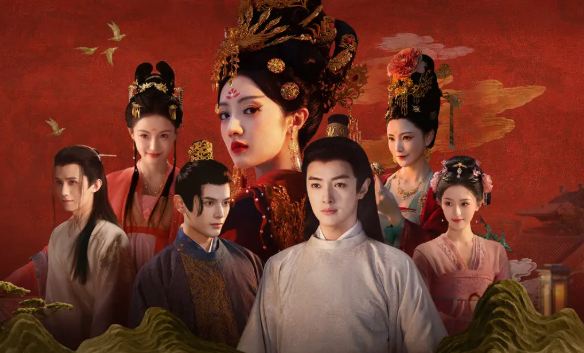
I. Introduction & Why Road to Empress Is Special
A. It’s an FMV narrative adventure—meaning it’s filmed, not animated.
FMV games live or die by production value. If the camera work looks cheap or the acting feels flat, the whole thing collapses. Road to Empress doesn’t collapse—it leans hard into the “interactive drama” identity, with a visual presentation that aims closer to broadcast drama than “game cutscenes.”
B. Release timing matters because it arrived when “interactive drama” is trending.
Short-form drama culture, reaction content, livestream playthroughs—this game fits that ecosystem perfectly. It’s easy to stream, easy to clip, and the “you died because you picked the wrong soup” moments are made for chat to explode.
C. It stands out in the FMV genre by embracing the palace survival fantasy.
Most FMV games either go for crime investigation, horror, or modern romance. Road to Empress goes all-in on imperial court politics: etiquette, factions, rumor warfare, emotional traps, and “smiling while stabbing.” It’s not trying to be a history textbook—it’s trying to be the kind of story where you feel the weight of every social move.
D. It’s especially perfect for C-drama and period drama fans.
If you enjoy stories where “winning” means surviving one more day while quietly building influence, you’ll instantly recognize the genre DNA: concubine hierarchy pressure, allies who might flip, romantic tension that’s never fully safe, and the constant fear that someone is setting you up.
II. What Is Road to Empress? (FMV Game Overview)
A. Genre: interactive cinematic adventure with branching choices.
This is a choice-driven narrative first and last. You’re not here to grind stats or perfect combos—you’re here to choose dialogue, actions, and occasionally pass quick interactions while the plot branches.
B. Gameplay model: story-driven progression, basically “play a drama.”
Think of it as “episode-based,” where each chapter is a segment of the heroine’s rise (or downfall). It’s structured so you can replay branches like rewatching scenes—but with the power to change what happens next.
C. No reflex-heavy mechanics… mostly.
The core is choices, but some builds include quick-time events that pop up unexpectedly. They’re not constant, but when they appear, they can feel like the game is suddenly testing your attention instead of your judgment.
D. Video quality and production style aim for premium.
The marketing emphasizes 4K presentation, lavish sets, and a cast that’s meant to feel like a drama ensemble rather than “game actors reading lines.”
E. Length: 16 chapters of continuous narrative.
On mobile, the structure is explicitly framed as 16 chapters with later chapters unlocked via purchase—so the “full experience” is designed as a complete season’s worth of story.
III. Meet Wu Yuanzhao: The Protagonist’s Journey
A. Who you are: Wu Yuanzhao, the woman who will become Wu Zetian (inspiration-wise).
You begin at the bottom of the palace ecosystem—close enough to power to be noticed, but not protected enough to be safe.
B. The fantasy: climb from “small figure in a massive machine” to someone who can shape outcomes.
The hook is the emotional contrast: early chapters make you feel powerless; later chapters tempt you with influence—and then punish you for misusing it.
C. Character traits are shaped by choices.
The game wants you to feel like you’re building a version of her: softer, harsher, cautious, confrontational, patient, ruthless. That’s part of why replaying doesn’t feel pointless—you’re not just hunting endings, you’re testing identities.
D. Morally grey decisions aren’t optional—survival pushes you there.
This is a palace story. “Doing the right thing” can absolutely get you killed. Sometimes survival means being strategic, sometimes it means swallowing humiliation, and sometimes it means choosing a cruel option because the alternative is worse.
IV. Historical Inspiration: Wu Zetian & The Tang Dynasty
A. Historical backbone, not historical homework.
Wu Zetian is one of the most famous figures in Chinese imperial history because her rise contradicts the rules of her era. The game uses that power fantasy—starting low, climbing high—without pretending every detail is academically precise.
B. Setting: Tang-era palace politics.
The Tang dynasty aesthetic is part of the appeal: costumes, formal social codes, ceremonial pressure, and that specific vibe of “beauty on the surface, knives underneath.”
C. “Inspired by” means freedom to dramatize.
Expect fictionalized motives, rearranged timelines, and heightened soap-opera energy. The goal is immersion: you feel trapped in a dangerous place with limited information and high consequences.
V. Story & Setting: Palace Intrigue, Betrayal, and Constant Pressure
A. The central premise is simple and brutal: survive the court.
In a palace story, survival isn’t only “don’t die.” It’s “don’t get framed,” “don’t lose favor,” “don’t offend the wrong person,” and “don’t accidentally become a pawn.”
B. Themes: ambition, trust, betrayal, manipulation.
You’ll spend a lot of time reading people, and the game plays with your instincts. The person who looks kind might be setting you up. The person who looks cold might be your best shield. The game wants you paranoid—but in a fun way.
C. Pacing: drama-heavy, low filler.
It’s designed so something happens frequently—new faction, new trap, new relationship tension, new test of loyalty. That keeps engagement high, but it also means the emotional intensity rarely cools down.
D. Branches and factions encourage replays.
Even if you “win” a chapter, you’ll often sense there were other paths—other alliances you didn’t pursue, other secrets you didn’t uncover, other people you didn’t save (or betray).
VI. The Choice System Explained (100+ Endings)
A. Branching structure: your decisions change the route, sometimes instantly.
This isn’t a game where every choice only matters 10 hours later. Plenty of decisions have immediate consequences.
B. Yes, there are 100+ possible endings documented by coverage and community tracking.
That number includes major conclusions and lots of “bad ends” that function like sudden deaths or irreversible failures.
C. The “one correct choice” feeling is part of the tension.
Many branches behave like survival puzzles: one answer keeps you alive; another triggers a death scene. That can feel unfair sometimes, but it also creates the palace survival vibe: you’re making choices with incomplete information, and the court punishes ignorance.
D. Quick recovery encourages experimentation.
The timeline/rewind approach means you’re not forced to replay hours. You fail, you learn, you rewind, you try again—like testing alternate scenes of the same episode.
VII. Death Mechanics & The “Death Echoes” Flavor
A. You’ll die. A lot.
The game is built around high mortality. Sometimes it’s dramatic (a political trap). Sometimes it’s darkly funny (a choice that seemed harmless). This is one reason it’s so streamable: the shock factor is constant.
B. Failures aren’t just punishment—they’re information.
Bad endings often reveal motives: who hated you, who feared you, who was waiting for the chance to strike. In palace stories, death is also exposition.
C. The emotional sting comes from how close you can be to safety.
You’ll have runs where you feel like you’re finally stable—then one wrong social move detonates everything. That’s the genre: stability is an illusion.
VIII. Character Relationships & Romance Subplot
A. Romance exists, but it’s not the main engine.
This isn’t a dating sim at its core. Romance is more like a layer—one that can become leverage, protection, or danger depending on how you handle it.
B. Love triangle energy is more about politics than sweetness.
Palace romance is rarely “pure.” Jealousy can become a weapon, affection can be manipulated, and intimacy can create enemies.
C. Subtle acting sells the romantic tension.
Because it’s FMV, romance moments often land through expressions: a pause, a glance, a forced smile that reads as pain. That’s where the production value really earns its keep.
IX. Acting Performance & Cinematography Quality
A. Performances are a huge part of why people praise this game.
FMV demands real acting, and the cast generally delivers “drama-level” intensity rather than “game-level” delivery.
B. Cast recognition adds extra appeal for drama fans.
Some players will recognize familiar faces from popular C-dramas (for example, Darren Chen / Kuan Hung is widely known for Meteor Garden).
C. The camera language feels intentional.
Close-ups during high-risk dialogue, wider shots to emphasize power distance, costume framing to signal status—these choices shape how “palace pressure” feels.
X. Production Design: Costumes, Sets & Visual Excellence
A. Sets sell the fantasy.
To make you believe the palace is real, the environment has to look lived-in: corridors that feel watched, rooms that feel like traps, banquet scenes that feel like social battlefields.
B. Costumes do narrative work.
What you wear isn’t just pretty—it’s status, politics, and vulnerability. “Flashy outfit” energy can read as arrogance to the wrong person, and that’s exactly the kind of detail palace dramas love.
C. The overall aesthetic is “your personal period drama.”
If you’re the type who pauses shows to admire wardrobe and set design, this game is basically built for you.
XI. UI/UX Design & Player-Friendly Menus
A. Branch tracking is essential in a death-heavy game.
A good FMV choice game needs clean navigation, and Road to Empress leans into a “branch map” approach so you can see what you’ve explored and what you haven’t.
B. Clear highlighting helps you identify “big decisions.”
Some choices are cosmetic flavor; others are structural plot forks. Good UI helps you avoid wasting time when you’re hunting specific routes.
C. Timeline rewind reduces frustration.
Instead of rage-quitting after a sudden death, you just rewind and keep moving—very binge-friendly.
XII. Personality Trait Map System
A. The game reflects your choices back at you.
At the end of chapters, you’ll get a “trait sketch” vibe—keywords that interpret how you’ve been playing: innocent vs scheming, avoidant vs confrontational, and so on.
B. It’s not a psychology test—it’s a fun mirror.
The point isn’t scientific accuracy. It’s the game saying, “This is the version of the heroine you’re shaping,” and maybe teasing you a little when you realize you’re more ruthless than you thought.
XIII. Collectibles & Character Profiles
A. Extra lore deepens motivation.
Character profiles, optional unlocks, and extra videos can make you re-interpret earlier scenes. In palace stories, context changes everything.
B. Completionists get a real project.
If you’re the kind of player who wants 100% branch coverage, you’re looking at a meaningful time investment—not because it’s mechanically hard, but because the branching web is dense.
XIV. Comparison to C-Dramas (Why It Feels Familiar)
A. The storytelling rhythm matches serialized drama.
The cliffhangers, the escalating threats, the emotional reversals—it feels like episodes.
B. Soap opera energy is part of the fun.
Some twists are outrageous on purpose. Palace dramas often flirt with melodrama, and this game embraces that vibe rather than resisting it.
C. If you enjoy palace intrigue as a genre, this is basically interactive fan service.
It’s the same pleasure—just with responsibility. You don’t just watch the heroine make a risky move. You choose it.
XV. Microtransactions & Leaderboard Elements (What’s Actually Going On)
A. The game includes optional purchases, but the core story doesn’t require them.
On PC and mobile storefronts, it’s clearly positioned with optional purchases (chapters/extra packs on some platforms). The important point for most players: you can experience the narrative without the feeling of pay-to-win power.
B. If you hate monetization pressure, this is more “optional extras” than “gacha trap.”
This is not a game that locks success behind spending. Your “power” is your judgment.
XVI. Platform Availability & Performance
A. It’s available across PC (Steam) and mobile stores.
That wide platform spread is part of why it got popular quickly—people can play it on the device they already use for dramas.
B. Internet connection requirements exist on some builds.
This can be annoying if you want offline play, but it’s part of how the game is deployed on certain platforms and tied to account systems.
XVII. Steam Deck Performance & Optimization Tips
If you’re a Steam Deck player, here’s the practical, no-nonsense version:
A. Battery and thermals are surprisingly chill for an FMV-heavy title.
Because you’re mostly playing video files rather than rendering heavy 3D environments, power draw and heat can stay relatively low compared to many modern games. A Steam Deck-focused review reported around 8–9W, 50–55°C, and several hours of battery life depending on model.
B. If you see stutters, lower the in-video playback quality.
Some stutter can happen when a new video segment loads. Switching playback quality (for Deck screens, “FHD” is often more than enough) can smooth things out.
C. Expect occasional setup weirdness.
Some players have reported first-boot prompts or verification steps behaving differently across devices. If something looks blank or stuck, trying another mode/device for the initial setup can solve it.
XVIII. Technical Considerations & Accessibility
A. Language approach: Mandarin voice with English subtitles.
You’re meant to experience performances in the original voice track and rely on subtitles for comprehension if you don’t speak Mandarin. Subtitles generally work well, but faster dialogue can demand attention.
B. Accessibility options appear limited.
If you require extensive accessibility settings (subtitle customization, color filters, etc.), this might feel sparse compared to big-budget mainstream games.
XIX. FAQ (Common Player Questions)
Is Road to Empress a dating sim?
Not really. Romance exists, but the main loop is survival and political navigation.
How long is it?
It’s structured as 16 chapters, and your total time depends heavily on how often you die, rewind, and explore branches.
Do choices truly matter?
Yes—often immediately. This is not “illusion of choice.” It’s “your choice can kill you.”
Are there quick-time events?
Yes, but they’re not constant.
Is it historically accurate?
It’s historically inspired and dramatized. Treat it like an interactive drama, not a documentary.
Will there be a sequel / Part II?
The game is explicitly labeled as Part I, and coverage has described it as a two-part project with more to come, so the safest expectation is: yes, continuation is planned, even if the exact branding/title may vary.
XX. Conclusion & Call to Action
Road to Empress is the kind of FMV game that converts skeptics, mainly because it understands what players actually want from the genre: a story worth caring about, performances that don’t feel awkward, and a branching system that makes failure entertaining instead of exhausting. It’s palace intrigue distilled into an interactive format—beautiful on the surface, ruthless underneath, and constantly daring you to choose wrong.
If you’re an FMV fan, it’s hard not to recommend. If you’re a C-drama fan who loves court politics, betrayal arcs, and “one wrong smile ruins your life” energy, it’s basically tailor-made. And if you’re the type who enjoys mapping every branch and squeezing a narrative system until it confesses all its secrets… well, you might be living in this palace for a while.